What sets tension setting rings apart is the innovative way they hold the gemstone. Unlike classic settings, which use prongs or bezels to secure the stone, tension setting rings apply pressure to the band, creating a force that holds the stone in place. The diamond or gemstone is placed between two ends of the band, which are carefully shaped and tensioned to secure the stone without the need for additional metal support. This creates an eye-catching effect, where the stone appears to be suspended in mid-air, adding to its allure.
In London, where trends in engagement rings evolve quickly, tension setting rings are seen as a statement of modernity and style. The design is sleek and often paired with bold metals like platinum or white gold, adding a sense of refinement. Some couples even opt for tension setting rings with alternative gemstones such as sapphires, emeralds, or rubies, making the design truly personal and unique. This flexibility allows for a custom touch, whether you’re drawn to a timeless diamond or something more unconventional.
Tension setting rings also appeal to those who prefer a more minimalist design. The absence of prongs creates a clean, streamlined look that highlights the gemstone’s natural beauty. For those looking for a more subtle and refined alternative to the traditional pronged setting, tension rings offer an elegant solution. With fewer distractions, the focus remains squarely on the stone itself, which seems to hover above the band.
However, tension setting rings do require careful craftsmanship. The band must be precisely engineered to maintain the right level of tension to securely hold the stone in place. The process requires a high level of expertise to ensure that the ring is not only beautiful but also durable. Given the complexity of creating these rings, many couples who choose this style work with experienced jewelers who specialize in tension setting designs.
In addition to their modern appeal, tension setting rings are also durable and suitable for everyday wear. The design provides a high level of protection for the gemstone, as the stone is less likely to catch on clothing or other surfaces due to the lack of protruding prongs. This makes tension setting rings an excellent choice for those with an active lifestyle who want an engagement ring that can withstand the rigors of daily wear while still looking elegant.
London’s jewelry scene is continually evolving, and tension setting rings are a prime example of this trend. They combine innovative design with functionality and are perfect for those who want a contemporary engagement ring with a unique twist. Whether you’re looking for something simple and elegant or a bold statement piece, tension setting rings offer a modern and timeless option that’s sure to stand out.
As more couples seek engagement rings London that reflect their personal style and embrace modern design, tension setting rings will likely continue to grow in popularity. They embody a sleek, minimalistic approach to engagement jewelry, perfect for today’s fashion-conscious couples who want to make a statement with their rings. With their ability to combine beauty, durability, and innovation, tension setting rings represent London’s modern take on engagement jewelry, offering something truly exceptional for couples looking to celebrate their love in style.
]]>
The Power of a Frame
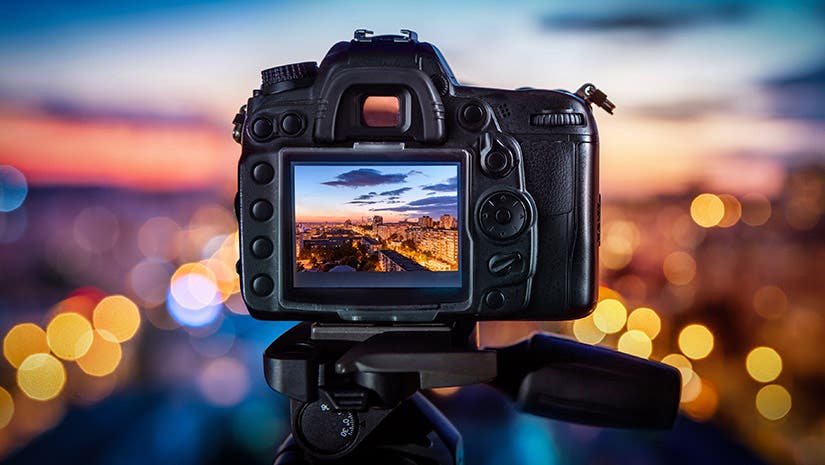
A photograph is a frame that encapsulates a slice of time. It is a visual narrative that can evoke emotions, trigger memories, and transport us to places we’ve never been. A well-composed photograph is a work of art, where every element – from light and composition to subject and timing – comes together to create a captivating story.
Beyond the Surface
Photography goes beyond surface appearances; it delves into the depths of the human experience. It has the power to reveal the hidden beauty in everyday life – the play of shadows on a city street, the wrinkles on a weathered face, or the delicate intricacies of a flower’s petal. It encourages us to see the world with fresh eyes and appreciate the ordinary in extraordinary ways.
The Language of Light
Light is the paintbrush of a photographer, and mastering its nuances is essential. From the soft, diffused light of a cloudy day to the dramatic interplay of shadows and highlights during the golden hour, understanding and harnessing light is at the core of photography. It transforms a mundane scene into a masterpiece and elevates a subject’s presence.
Preserving Memories
Photography is a time machine that allows us to revisit moments long past. Family gatherings, vacations, and life’s milestones are immortalized through photographs. They become treasured heirlooms, passed down through generations, connecting us to our roots and the people who shaped our lives.
Storytelling Through Images
A photograph can tell a story more eloquently than words ever could. It can convey a range of emotions – from joy and love to sadness and nostalgia. Documentary photographers, for instance, use their craft to shed light on social issues, spark conversations, and inspire change. Each photograph is a chapter in the larger narrative of our world.
The Pursuit of Perfection
In the world of photography, perfection is a never-ending quest. It’s about finding the perfect angle, the perfect composition, and the perfect moment. Yet, it’s also about embracing imperfections – the candid smile, the unposed moment, the unexpected twist – as they add depth and authenticity to the visual story.
The Ever-Evolving Art
Photography is an art form that constantly evolves with technology. From the days of film cameras to the digital age, and now the era of smartphone photography, the tools may change, but the essence remains the same – the desire to freeze moments in time and share them with the world.
Conclusion
In a fast-paced world, photography encourages us to pause and savor the moments that matter. It is an art form that celebrates the beauty of our world, the richness of our experiences, and the depth of human emotions. So, whether you’re a professional photographer, an enthusiastic amateur, or simply someone who appreciates the magic of a well-taken photograph, remember that in each frame, there lies a story waiting to be told, a moment waiting to be captured, and a world waiting to be discovered anew.
]]>Framing and hanging play a vital role in the overall presentation of artwork. They provide a visual context, creating a boundary between the artwork and its surroundings, and they can enhance or detract from its impact. Proper framing can elevate the aesthetic appeal of your artwork, drawing attention to its details, colors, and composition. It helps to define the artwork’s boundaries, ensuring that viewers focus on the intended subject matter.
The choices you make regarding framing and hanging have a direct impact on how your artwork is perceived. The frame itself can complement the style and theme of the artwork, acting as a visual bridge between the artwork and its environment. The right frame can enhance the colors, textures, and overall mood of the artwork, elevating its visual impact.
Additionally, proper hanging techniques ensure that your artwork is displayed at the optimal height and position. This allows viewers to engage with the artwork comfortably and appreciate its details without distractions. Properly hung artwork also creates a sense of professionalism and intentionality, signaling that the artwork is valuable and worthy of attention.
By paying attention to the framing and hanging of your printed photography and art, you have the power to enhance the visual experience for viewers, making your artwork stand out and leaving a lasting impression. In the following sections, we will explore the various aspects of framing and hanging, including choosing the right frame, preparing the artwork, framing techniques, hanging methods, and caring for your framed artwork. With these insights, you’ll be well-equipped to showcase your artwork in a way that truly captivates and engages your audience.
Choosing the Right Frame
Considerations when selecting a frame
When choosing a frame for your printed photography or art, there are several important considerations to keep in mind.
- Material and style: Frames are available in various materials such as wood, metal, or plastic. Consider the overall style and theme of your artwork and choose a frame that complements its aesthetic. For example, a sleek metal frame may work well for contemporary pieces, while a rustic wooden frame may enhance the charm of a nature-inspired artwork.
- Size and aspect ratio: Ensure that the frame you choose is the appropriate size for your artwork. Consider the dimensions and aspect ratio to ensure a proper fit. A frame that is too small or too large can detract from the visual impact of your artwork.
- Color and texture: The color and texture of the frame can significantly influence the overall presentation. Consider the dominant colors in your artwork and choose a frame that either matches or contrasts harmoniously. Additionally, the texture of the frame can add depth and visual interest. Smooth frames can create a clean and modern look, while textured or distressed frames can add character and a vintage feel.
Matching the frame to the artwork’s content and style
To enhance the visual impact of your artwork, it’s essential to choose a frame that complements its content and style. Consider the subject matter, mood, and artistic intent of your artwork. For example, if your artwork features vibrant landscapes, a frame that echoes the colors of nature can reinforce the connection between the artwork and its theme.
Furthermore, take into account the style of your artwork. Is it minimalistic and contemporary, or does it have a more ornate and traditional feel? The frame should align with the artwork’s style, creating a harmonious visual composition.
Using mats and passe-partouts to enhance the presentation
Mats (also known as mats or mounts) and passe-partouts are additional elements that can elevate the presentation of your artwork within the frame.
Mats are thick, colored or neutral boards that surround the artwork, creating a border between the artwork and the frame. They can provide visual breathing space and help direct the viewer’s focus towards the artwork. Mats also offer protection by keeping the artwork away from the glazing.
Passe-partouts are similar to mats but have a window cutout that reveals the artwork. They can add depth and dimension to your artwork, creating a layered effect. Passe-partouts are often used in more formal or gallery settings.
Consider the color and width of the mats or passe-partouts to ensure they enhance the artwork without overpowering it. Experiment with different combinations to find the right balance that enhances the presentation of your printed photography or art.
By carefully selecting the right frame, considering the artwork’s content and style, and using mats or passe-partouts, you can create a cohesive and visually captivating presentation that highlights the beauty and impact of your printed photography or art.
Preparing the Artwork for Framing
Handling and cleaning the artwork
Before framing your artwork, it’s important to handle it with care and ensure it’s clean and free from any dust or debris. Here are some steps to follow:
- Wash your hands or wear clean gloves to prevent any oils or dirt from transferring to the artwork.
- Use a soft, lint-free cloth or brush to gently remove any dust or particles from the surface of the artwork.
- If the artwork requires more extensive cleaning, consult a professional conservator who specializes in art restoration to ensure proper handling and cleaning techniques are used.
Mounting options for different types of prints
Depending on the type of print you have, there are various mounting options to consider.
Here are a few commonly used techniques:
- Traditional matting and mounting techniques: This involves using a mat board to create a border around the artwork and secure it in place. The artwork is typically hinged to the mat board using archival tape or corners. This method is commonly used for paper prints, watercolors, or drawings.
- Alternatives such as float mounting and box framing: Float mounting is a technique where the artwork appears to float within the frame, without being directly attached to the mat board. It can create a modern and minimalist look, allowing the edges of the artwork to be visible. Box framing involves creating a three-dimensional box-like structure within the frame, allowing the artwork to be mounted at different depths. This technique is often used for more unconventional or dimensional artwork.
Consider the characteristics of your specific artwork and its desired presentation when choosing the mounting option that best suits your needs.
Using archival materials for preservation
Preserving your artwork’s longevity is crucial when framing. The use of archival materials helps protect the artwork from damage over time. Here are some key components to consider:
- Acid-free mat boards and backing boards: Acidic materials can cause discoloration and deterioration of the artwork. Choose acid-free and lignin-free mat boards and backing boards to ensure the long-term preservation of your artwork.
- Archival tape and adhesives: When hinging the artwork to the mat board, use archival-quality, acid-free tape or corner mounts to secure it in place. Avoid using regular masking tape or adhesive that may deteriorate or damage the artwork over time.
- UV-filtering glazing: Ultraviolet (UV) rays can cause fading and damage to your artwork. Consider using glazing options that offer UV protection, such as UV-filtering glass or acrylic, to minimize the artwork’s exposure to harmful light.
Framing Techniques
DIY framing vs. professional framing services
When it comes to framing your artwork, you have the option of either doing it yourself (DIY) or seeking professional framing services. Consider the following factors when deciding which approach to take:
DIY framing:
- Cost-effective: DIY framing can be more budget-friendly as you can purchase materials and assemble the frame yourself.
- Creative control: DIY framing allows you to have complete control over the design and customization of your frame.
- Learning opportunity: Framing your own artwork can be a rewarding learning experience, enabling you to develop new skills.
Professional framing services:
- Expertise and quality: Professional framers have the knowledge, experience, and tools to handle your artwork with care and ensure high-quality framing.
- Wide range of options: Framing professionals offer a wide selection of frames, mats, and glazing options, allowing you to choose the best combination for your artwork.
- Preservation and warranty: Professional framers understand the importance of archival materials and techniques, ensuring the long-term preservation of your artwork. They may also provide warranties or guarantees for their work.
Consider your budget, time availability, level of expertise, and the importance of preservation when deciding between DIY framing and professional framing services.
Pro tip! If you’re looking for a custom picture framing store, consider Plaza Art. Check their store locations today.
Step-by-step guide to framing your artwork
If you decide to embark on DIY framing, follow these general steps to frame your artwork:
- Measuring and cutting the mat and backing board:
- Measure the dimensions of your artwork and add an appropriate border size to determine the dimensions of the mat and backing board.
- Use a mat cutter or a straight-edge and utility knife to cut the mat and backing board to the desired size.
- Assembling the frame and attaching the artwork:
- Disassemble the frame, if necessary, and lay it flat.
- Place the mat and backing board within the frame, ensuring they are centered.
- Position your artwork on top of the mat board and use archival tape or corners to secure it in place. Ensure the artwork is straight and aligned within the mat opening.
- Securing the glass or acrylic glazing:
- Clean the glazing material and ensure it is free from any dust or smudges.
- Carefully place the glazing over the artwork and secure it within the frame using appropriate clips, tabs, or screws, depending on the frame type.
Tips for avoiding common framing mistakes
To achieve a professional-looking result and avoid common framing mistakes, consider the following tips:
- Measure twice, cut once: Double-check all measurements before cutting the mat, backing board, and glazing to ensure they fit properly within the frame.
- Use proper tools and techniques: Invest in quality tools such as a mat cutter, straight-edge, and utility knife for precise cuts. Follow instructional guides or tutorials to learn proper framing techniques.
- Handle artwork and materials with care: Always handle your artwork and framing materials with clean hands or wear gloves to avoid transferring oils or dirt. Use acid-free and archival-quality materials to prevent damage and deterioration.
- Avoid direct contact between artwork and glazing: Place spacers or mats between the artwork and the glazing to prevent them from sticking together or getting damaged over time.
- Consider environmental factors: Display your framed artwork away from direct sunlight, extreme temperatures, and humidity to prevent fading, warping, or moisture damage.
Hanging Your Artwork
Determining the ideal placement and arrangement
Before hanging your artwork, consider the following factors to determine the ideal placement and arrangement:
- Size and scale: Consider the size of your artwork in relation to the wall space available. Ensure that the artwork is proportionate to the wall and doesn’t get overwhelmed or look out of place.
- Eye level: Hang your artwork at eye level, typically around 57-60 inches from the floor. This allows for comfortable viewing and engagement with the artwork.
- Balance and composition: Consider the overall balance and composition of your arrangement. You can create visual interest by grouping multiple artworks together or by mixing different sizes and orientations.
Tools and techniques for proper wall mounting
To ensure proper wall mounting of your artwork, use the following tools and techniques:
Stud finders and measuring for accuracy: Use a stud finder to locate the wooden studs behind the wall, as they provide the strongest support for hanging heavier artwork. Measure and mark the desired height and position before installing any hardware.
Types of hanging hardware (hooks, wires, brackets):
- Hooks: Choose hooks appropriate for the weight of your artwork. They come in various sizes and styles, including J-hooks, sawtooth hangers, and D-ring hangers.
- Wires: For artworks with wire on the back, use appropriate hardware like screw eyes or D-rings attached to the frame to hang them securely.
- Brackets: For larger or heavier artworks, consider using brackets or French cleats for added stability.
Adjusting and leveling your artwork for a professional look
To achieve a professional look when hanging your artwork, follow these tips:
- Leveling: Use a level to ensure your artwork is straight. Adjust the height or reposition the hanging hardware if necessary. Small adhesive-backed leveling strips or self-adhesive foam pads can help level the frame.
- Spacing: Maintain consistent spacing between multiple artworks within a group or gallery wall. Use a measuring tape or simply visually align the edges for a cohesive arrangement.
- Secure fasteners: Ensure that hooks, wires, or brackets are securely attached to the wall. Double-check the stability and weight capacity of the hanging hardware to prevent accidents or damage.
- Wall protection: Use adhesive-backed bumpers or felt pads on the bottom corners of the frame to prevent the artwork from scratching the wall or shifting out of place.
Remember to take your time when hanging artwork, and step back periodically to assess the overall arrangement and alignment. Adjustments may be needed to achieve the desired visual effect.
Conclusion
Proper framing and hanging techniques have a significant impact on the overall presentation of your printed photography and art. By carefully selecting the right frame, considering the artwork’s content and style, and using mats or passe-partouts, you can enhance the visual impact and create a cohesive composition. Additionally, using archival materials and techniques ensures the preservation and longevity of your artwork, protecting it for years to come.
As an artist or photography enthusiast, applying these framing and hanging techniques can greatly enhance the way your printed photography and art are displayed. Whether you choose to take the DIY approach or seek professional framing services, understanding the considerations for frame selection, mounting options, and using archival materials empowers you to present your artwork in a professional and visually captivating manner.
Don’t hesitate to experiment with different frames, matting styles, and arrangements to find the perfect combination that showcases the unique qualities of your artwork. Remember to pay attention to details such as measuring accurately, using proper tools and hardware, and adjusting and leveling your artwork for a polished and professional look.
By investing time and effort into framing and hanging your artwork, you not only elevate its visual impact but also demonstrate your commitment to presenting your printed photography and art with the care and attention they deserve.
So, go ahead and apply these framing and hanging techniques to showcase your printed photography and art like a pro. Let your creativity shine and inspire others with your beautifully presented artwork.
]]>- Simplicity
One of the key benefits of black and white photography is its simplicity. Removing color from an image can help to simplify the composition and draw the viewer’s attention to the subject, the lighting, and the texture. This can help to create images that are clean, elegant, and impactful, and that convey a strong sense of emotion and mood.
- Emphasis on Tone
When shooting in black and white, the emphasis is on tone rather than color. This means that the photographer needs to be mindful of the way light and shadow are used in the image, as well as the overall tonal balance. The result is that black and white images often have a more dramatic and powerful impact than color images, as the viewer is drawn to the contrast between light and dark, and the way the tones work together to create an overall mood.
- Timelessness
Black and white images often have a timeless quality that color images lack. This is because black and white photography has a classic, nostalgic feel that is timeless, and that transcends the trends and fashions of the moment. Black and white images can evoke a sense of nostalgia and longing, and can help to convey a sense of history and heritage that is not possible with color images.

- Emotional Impact
Black and white photography can have a strong emotional impact, and can help to convey a range of emotions and moods. Whether you’re trying to convey a sense of sadness, joy, or mystery, black and white images can be incredibly evocative and powerful, and can help to create a connection between the viewer and the subject that is not possible with color images.
- Technical Challenges
Shooting in black and white can also offer technical challenges that can help to improve your photography skills. When shooting in black and white, the photographer needs to be mindful of the way light and shadow are used in the image, and needs to pay close attention to the tonal balance. This can help to improve your technical skills and help you to create images that are well-composed and well-lit, and that have a strong impact.

Equipment for Black and White Photography
- Camera
A good quality camera is important for black and white photography, as it allows you to capture high-quality images with good resolution and detail. A camera with manual control options, such as a DSLR or mirrorless camera, is ideal for black and white photography, as it allows you to make adjustments to exposure, aperture, and other settings to get the best results.
- Lens
A versatile lens is important for black and white photography, as it allows you to capture a range of subjects and scenes. A 50mm lens is a good starting point for black and white photography, as it is versatile and allows you to capture both close-up shots and wider shots of your subjects.
- Film or Editing Software
If you’re shooting with film, black and white film is the best option, as it captures images in monochrome and provides the classic look and feel of black and white photography. If you’re shooting digitally, editing software such as Adobe Photoshop or Lightroom allows you to convert your color images to black and white and make adjustments to the tonal balance and contrast.
Images via Dreamstime stock photos
]]>
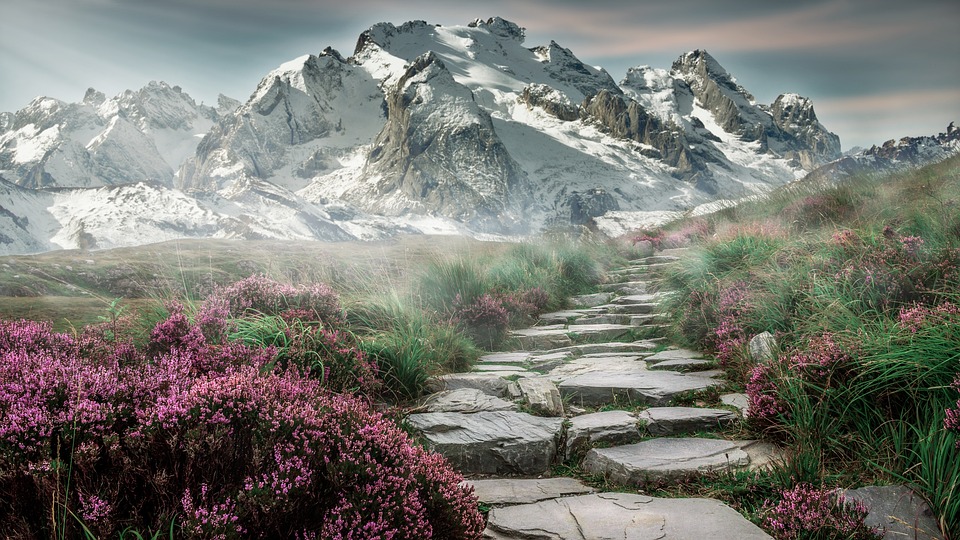
There’s no doubt that landscape photography is an art form requiring skill and creativity. Whether shooting a busy seafront, the rolling hills of the countryside or the urban vista of a metropolis, landscape photography is both a gift and an opportunity. It is your chance to capture the world as you see it, to present it as your own and immortalize it for many years to come.
However, it isn’t as simple as heading out with your iPhone and snapping a few shots. An artist must have the right tools, and photography is no exception; Van Gogh didn’t paint in felt tip, and Michelangelo didn’t sculpt from silly putty. In much the same way, you won’t get the landscapes you want with the wrong camera.
That’s where our handy guide to selecting the right camera comes into play. We’ve selected one from each of the major manufacturers that will soon have you creating landscape photography to match even the legendary Ansel Adams and Charlie Waite.
Canon EOS 5DS R
The brand Canon and photography go hand-in-hand. Their products are almost a byword for quality, and whilst an entry-level Canon will get you started, the serious landscape photographer should be aiming higher with the EOS 5DS R. It’s a 50-megapixel full-frame camera which should be affordable to new starters, as it is reaching the end of its current life cycle.
Despite its age, it still stands up against newer models from other manufacturers, and the dampened shutter is a nice feature that landscape photographers will appreciate more than most.
Sony Alpha a7R
Sony might not be synonymous with cameras for many, but the Sony Alpha a7R mirrorless camera is one of the best pieces of kit a landscape photographer can buy. The 61-megapixel full-frame sensor is an industry leader and results in such high image quality it is hard to make a case for a Canon or Nikon over the Alpha a7R.
It is a good all-rounder with 10fps burst speed for those looking to branch out from landscapes, perhaps with some street photography. For landscape photographers, the lightweight body, just 655g, makes it perfect for climbing hills and looking for the right vantage point for your next shot.
Nikon Z7 II
The Nikon camera family is extensive, with lots of kit to choose from, but the Z7 II is popular with landscape photographers. The 45.7-megapixel full-frame sensor certainly delivers some great images, but the Z7 II benefits from being lighter than some of the glass in the Nikon stable, so it’s more portable if you’re hiking to get the right shot.
One of the benefits of the Nikon is the focus – whilst there are better pieces of kit out there, the Z7 II’s autofocus is strong, and it’ll do the job in the toughest of conditions. Like the Canon we selected, there are better cameras for landscape photography, but this represents the sweet cross point of value for money and performance.
Fujifilm GFX 50S
The Fujifilm we’ve selected is a bit different from the others, as it is a compact rather than a DSLR or mirrorless camera. Whilst that doesn’t sound ideal for landscape photography, the GFX 50S does have its advantages. For a start, it is much easier to take out and about with you; no kit back full of lenses weighing you down. If the photography comes second to a hike in nature, then this could be a good option.
There’s a 26.1-megapixel APS-C-sized sensor powering this little bit of kit, and a 34.5mm-equivalent f/2 prime lens helps drive the picture quality. That might be limiting for some, but the hybrid viewfinder is a nice touch, making this a different choice for landscape photographers. Be warned – it is a bit pricier than some compact cameras, at more than $1000.
If you enjoyed this piece, you might also like our article on the ‘Landscape Artist of the Year 2023’.
Enter a Finding Phase
This is where you discover what interests you, what you are passionate about, and what really matters to you. Keep track of all your ideas and find the ones that resonate with you most. You can save images of tattoos that inspire you and make a Pinterest board. You will be able to narrow down your choices by having a wide selection of tattoo designs.
Research Is the Key!
Research is essential! This article should have taught you one thing. Do your research before you start thinking about getting a tattoo. You can research to help you decide what you want, how it should look, and what it could mean.
Keep an Open Mind
You should keep your eyes open when searching for tattoo design. Otherwise, you could miss the perfect piece. Don’t be discouraged if one design doesn’t work out. You can always try another. Consider all of the design options available.
You may decide that you like one design but find another beautiful piece that is even more appealing than you thought. You may find a perfect color for you and love it in a shade you wouldn’t normally consider getting tattooed in. It’s impossible to know what you might find unless you start looking. Keep an open mind.
Consider the Placement
Before you begin looking for tattoo designs, you need to think about where you want them to be placed. What place do you plan to place the piece? Do you have an idea for a particular body part? Perhaps you have an idea or a location in mind for a certain area of your body.
If you are looking for a large sleeve you will need to find the right place to start. It might be a good idea to look at the locations of other tattoos so that you can identify trends. There are no set rules and tattoos can be placed wherever you like. However, you should follow certain placement guidelines. Some people prefer to place their tattoos where they can be covered easily, such as on their arms.
This allows them to cover up the tattoo easily when they need it and avoids unwanted attention. Some prefer to have their tattoos more visible and are proud of it. Consider where you would like your tattoo to be placed.This post was written by J Michael Taylor. J Michael Taylor is an artist and owner of Black Amethyst Tattoo Gallery. Black Amethyst is the best amongst Tattoo shops in St Petersburg FL. They provide an art-first approach to custom tattooing in a gallery setting.
]]>