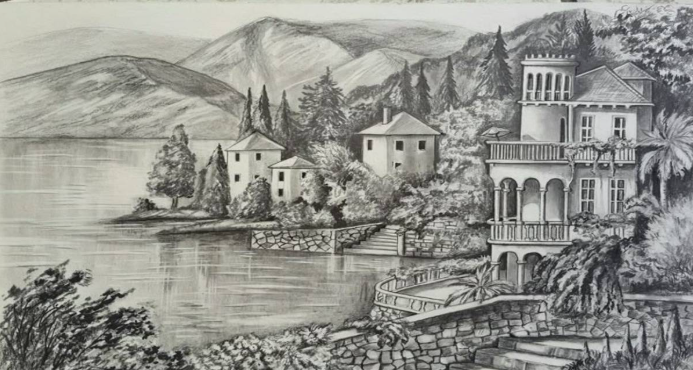
The Silent Genesis of Creativity
Before color meets canvas or stylus meets screen, there is often a drawing. Drawings are the genesis of imagination manifest. In their simplicity, they harbor complexity. Each stroke is a decision, each shade a whisper of intention. From da Vinci’s anatomical sketches to the blueprints of modern architecture, drawing serves as the universal vernacular of design and ideation.
This foundational medium thrives on restraint. It demands mindfulness, observation, and tactile connection. The grain of paper, the resistance of graphite, the smudge of charcoal—each sensory detail contributes to a dialogue between hand and mind. It is here that artistry is not yet embellished, but raw, instinctual, and unfiltered.
A Spectrum of Mediums
The realm of Drawings spans a vast spectrum. Pencils, pens, charcoal, pastels, and ink all possess unique voices. Graphite brings precision, charcoal offers drama, ink invokes permanence. Each tool, when wielded by a skilled hand, unveils textures and tonalities that transcend mere representation.
Cross-hatching, stippling, and contouring are not just techniques—they are dialects in the artist’s lexicon. They render dimension, depth, and atmosphere, coaxing life from lifeless surfaces. Whether sketching a fleeting gesture or drafting architectural majesty, the drawn line remains a testament to the human impulse to interpret the world.
From Traditional to Digital
The transition from parchment to pixel has not diminished the value of Drawings—it has expanded their possibilities. In the realm of Digital Art, the spirit of drawing lives on, now fused with technology’s boundless potential. Tablets and styluses simulate the analog experience, while offering the conveniences of layering, undoing, and color experimentation.
Digital Art democratizes creation. With the right software, artists can replicate the effect of graphite, ink, watercolor, or even oil without ever touching a physical surface. Yet, the essence remains: the line is still king. Whether rendered digitally or on paper, it is the line that defines space, character, and composition.
This hybridization of mediums has birthed a new generation of artists who straddle the realms of tradition and innovation. They honor the lineage of classical drawing while embracing the precision and possibilities of the digital domain.
The Place of Drawings in Fine Art
Often overshadowed by the grandeur of Paintings, Drawings are too frequently relegated to the periphery of the fine art world. Yet, in the quiet corners of galleries and the pages of sketchbooks, one finds art at its most vulnerable and intimate. Drawings reveal process. They unveil thought in motion.
Many of history’s masterpieces began as sketches—tentative outlines etched with uncertainty, later immortalized in oil or fresco. Michelangelo’s studies for the Sistine Chapel, or Picasso’s relentless iterations leading to Guernica, are powerful reminders that drawing is not merely preparatory—it is essential.
In the contemporary landscape, drawings have reclaimed autonomy. Exhibitions dedicated solely to graphite and ink celebrate their precision and purity. Collectors now seek the honesty of a hand-drawn image, appreciating the fragility and spontaneity it encapsulates.
Drawing as Meditation
Beyond the academic or commercial, drawing occupies a sacred space of reflection. In the quiet rhythm of line and shade, many find solace—a meditative escape from the digital cacophony. Whether doodled in a journal or rendered in a studio, drawing fosters presence.
It teaches observation, patience, and humility. The pencil does not forgive haste. It demands attunement—to proportions, to light, to form. In a society that prizes speed, drawing invites stillness.
The Future of Drawing
As artificial intelligence, augmented reality, and generative art push the boundaries of creativity, the core principles of Drawings persist. They remain the skeleton beneath the spectacle. Even as artists wield code and algorithm, many still begin with a sketch. The pencil, it seems, will never be obsolete.
Moreover, education and therapy continue to reaffirm drawing’s value. In classrooms, it sharpens cognition and coordination. In therapy sessions, it channels emotion and unlocks memory. Drawing is not just an artistic act; it is a human one.
Conclusion: Lines that Endure
In a world of filters and fleeting visuals, Drawings endure as a profound act of seeing—and of being seen. They ask for nothing more than a surface and a mark, yet they yield expressions as vast as imagination itself. Whether the beginning of a Painting, the foundation of Digital Art, or a standalone gesture of beauty, the drawn line continues to echo across time.
It is not the medium that defines art, but the hand that wields it. And in that hand, the pencil still plays.
]]>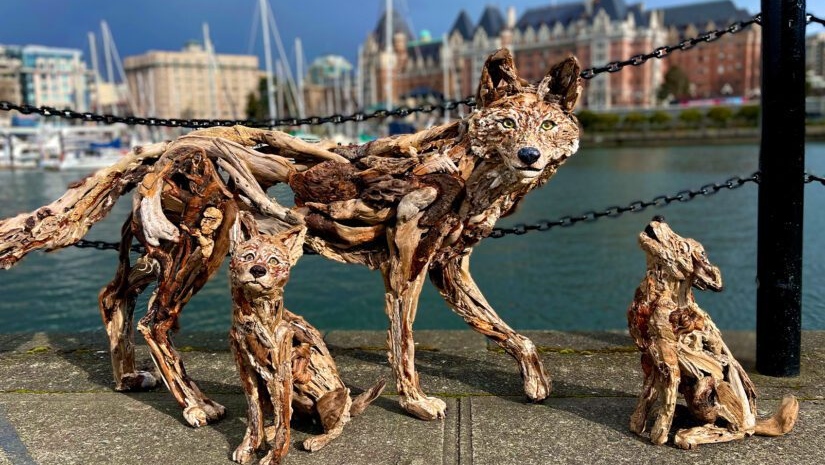
The Origins of Sculpture
Sculpture is a testament to humanity’s creativity and craftsmanship. It finds its origins in prehistoric times when our ancestors chiseled crude figurines and reliefs to commemorate their beliefs, experiences, and cultures. Over millennia, this primitive art form evolved into the stunning sculptures that adorn museums, plazas, and galleries today.
Diverse Forms and Materials
Sculptures encompass a staggering variety of forms and materials, each with its unique charm. From the grandeur of marble statues, exemplified by Michelangelo’s “David,” to the delicate intricacy of porcelain figurines, sculpture transcends boundaries.
The Language of Sculpture
Sculptures have a language of their own, a silent dialogue with viewers. They can evoke emotions, tell stories, and reflect cultural ideals. In the graceful curves of a Rodin sculpture or the abstract forms of a Henry Moore piece, one can discern the artist’s intent and vision.
Sculptures in Public Spaces
Public spaces around the world are adorned with sculptures that enrich the urban landscape. Monuments like the Statue of Liberty and the Christ the Redeemer statue in Rio de Janeiro stand as symbols of freedom and faith. Sculptures in public spaces often serve as historical markers, commemorating important events and figures.
Sculptures in Religion and Spirituality
Sculptures hold immense significance in religious and spiritual contexts. They embody deities, saints, and mythological beings, acting as conduits for devotion and meditation. The ancient temples of India, for instance, are replete with intricately carved sculptures that tell stories from Hindu mythology.
Contemporary Sculpture
While traditional sculpture techniques endure, contemporary artists continually push the boundaries of the art form. Sculpture has evolved to incorporate new materials, technologies, and conceptual approaches. Today, you can encounter sculptures made from recycled materials, interactive digital sculptures, and installations that challenge traditional notions of form and space.
Sculpture as Expression
Sculptors use their chosen medium to express a wide range of ideas and emotions. Whether it’s the raw power conveyed by a bronze sculpture of a charging bull, the serenity of a stone Buddha statue, or the playful whimsy of a kinetic sculpture, these works of art invite us to engage with our own thoughts and feelings.
The Art of Preservation
Preserving sculptures is a vital endeavor to ensure that these works of art endure for future generations. Conservationists employ a variety of techniques to protect sculptures from the ravages of time, including cleaning, restoration, and climate-controlled environments.
Sculpture as Legacy
Sculptures are more than mere objects; they are enduring legacies of human creativity. They bridge the gap between past and present, connecting us to the cultures and stories that have shaped our world. When we gaze upon a sculpture, we participate in a timeless dialogue that transcends language and speaks directly to our senses and souls.
In conclusion, the world of sculptures is a testament to the boundless creativity of humanity. These three-dimensional masterpieces, born from the hands and minds of artists throughout history, continue to inspire, challenge, and enrich our lives. Whether ancient or contemporary, traditional or avant-garde, sculptures invite us to explore the depths of human expression and the beauty that resides within the tangible forms of art.
]]>Framing and hanging play a vital role in the overall presentation of artwork. They provide a visual context, creating a boundary between the artwork and its surroundings, and they can enhance or detract from its impact. Proper framing can elevate the aesthetic appeal of your artwork, drawing attention to its details, colors, and composition. It helps to define the artwork’s boundaries, ensuring that viewers focus on the intended subject matter.
The choices you make regarding framing and hanging have a direct impact on how your artwork is perceived. The frame itself can complement the style and theme of the artwork, acting as a visual bridge between the artwork and its environment. The right frame can enhance the colors, textures, and overall mood of the artwork, elevating its visual impact.
Additionally, proper hanging techniques ensure that your artwork is displayed at the optimal height and position. This allows viewers to engage with the artwork comfortably and appreciate its details without distractions. Properly hung artwork also creates a sense of professionalism and intentionality, signaling that the artwork is valuable and worthy of attention.
By paying attention to the framing and hanging of your printed photography and art, you have the power to enhance the visual experience for viewers, making your artwork stand out and leaving a lasting impression. In the following sections, we will explore the various aspects of framing and hanging, including choosing the right frame, preparing the artwork, framing techniques, hanging methods, and caring for your framed artwork. With these insights, you’ll be well-equipped to showcase your artwork in a way that truly captivates and engages your audience.
Choosing the Right Frame
Considerations when selecting a frame
When choosing a frame for your printed photography or art, there are several important considerations to keep in mind.
- Material and style: Frames are available in various materials such as wood, metal, or plastic. Consider the overall style and theme of your artwork and choose a frame that complements its aesthetic. For example, a sleek metal frame may work well for contemporary pieces, while a rustic wooden frame may enhance the charm of a nature-inspired artwork.
- Size and aspect ratio: Ensure that the frame you choose is the appropriate size for your artwork. Consider the dimensions and aspect ratio to ensure a proper fit. A frame that is too small or too large can detract from the visual impact of your artwork.
- Color and texture: The color and texture of the frame can significantly influence the overall presentation. Consider the dominant colors in your artwork and choose a frame that either matches or contrasts harmoniously. Additionally, the texture of the frame can add depth and visual interest. Smooth frames can create a clean and modern look, while textured or distressed frames can add character and a vintage feel.
Matching the frame to the artwork’s content and style
To enhance the visual impact of your artwork, it’s essential to choose a frame that complements its content and style. Consider the subject matter, mood, and artistic intent of your artwork. For example, if your artwork features vibrant landscapes, a frame that echoes the colors of nature can reinforce the connection between the artwork and its theme.
Furthermore, take into account the style of your artwork. Is it minimalistic and contemporary, or does it have a more ornate and traditional feel? The frame should align with the artwork’s style, creating a harmonious visual composition.
Using mats and passe-partouts to enhance the presentation
Mats (also known as mats or mounts) and passe-partouts are additional elements that can elevate the presentation of your artwork within the frame.
Mats are thick, colored or neutral boards that surround the artwork, creating a border between the artwork and the frame. They can provide visual breathing space and help direct the viewer’s focus towards the artwork. Mats also offer protection by keeping the artwork away from the glazing.
Passe-partouts are similar to mats but have a window cutout that reveals the artwork. They can add depth and dimension to your artwork, creating a layered effect. Passe-partouts are often used in more formal or gallery settings.
Consider the color and width of the mats or passe-partouts to ensure they enhance the artwork without overpowering it. Experiment with different combinations to find the right balance that enhances the presentation of your printed photography or art.
By carefully selecting the right frame, considering the artwork’s content and style, and using mats or passe-partouts, you can create a cohesive and visually captivating presentation that highlights the beauty and impact of your printed photography or art.
Preparing the Artwork for Framing
Handling and cleaning the artwork
Before framing your artwork, it’s important to handle it with care and ensure it’s clean and free from any dust or debris. Here are some steps to follow:
- Wash your hands or wear clean gloves to prevent any oils or dirt from transferring to the artwork.
- Use a soft, lint-free cloth or brush to gently remove any dust or particles from the surface of the artwork.
- If the artwork requires more extensive cleaning, consult a professional conservator who specializes in art restoration to ensure proper handling and cleaning techniques are used.
Mounting options for different types of prints
Depending on the type of print you have, there are various mounting options to consider.
Here are a few commonly used techniques:
- Traditional matting and mounting techniques: This involves using a mat board to create a border around the artwork and secure it in place. The artwork is typically hinged to the mat board using archival tape or corners. This method is commonly used for paper prints, watercolors, or drawings.
- Alternatives such as float mounting and box framing: Float mounting is a technique where the artwork appears to float within the frame, without being directly attached to the mat board. It can create a modern and minimalist look, allowing the edges of the artwork to be visible. Box framing involves creating a three-dimensional box-like structure within the frame, allowing the artwork to be mounted at different depths. This technique is often used for more unconventional or dimensional artwork.
Consider the characteristics of your specific artwork and its desired presentation when choosing the mounting option that best suits your needs.
Using archival materials for preservation
Preserving your artwork’s longevity is crucial when framing. The use of archival materials helps protect the artwork from damage over time. Here are some key components to consider:
- Acid-free mat boards and backing boards: Acidic materials can cause discoloration and deterioration of the artwork. Choose acid-free and lignin-free mat boards and backing boards to ensure the long-term preservation of your artwork.
- Archival tape and adhesives: When hinging the artwork to the mat board, use archival-quality, acid-free tape or corner mounts to secure it in place. Avoid using regular masking tape or adhesive that may deteriorate or damage the artwork over time.
- UV-filtering glazing: Ultraviolet (UV) rays can cause fading and damage to your artwork. Consider using glazing options that offer UV protection, such as UV-filtering glass or acrylic, to minimize the artwork’s exposure to harmful light.
Framing Techniques
DIY framing vs. professional framing services
When it comes to framing your artwork, you have the option of either doing it yourself (DIY) or seeking professional framing services. Consider the following factors when deciding which approach to take:
DIY framing:
- Cost-effective: DIY framing can be more budget-friendly as you can purchase materials and assemble the frame yourself.
- Creative control: DIY framing allows you to have complete control over the design and customization of your frame.
- Learning opportunity: Framing your own artwork can be a rewarding learning experience, enabling you to develop new skills.
Professional framing services:
- Expertise and quality: Professional framers have the knowledge, experience, and tools to handle your artwork with care and ensure high-quality framing.
- Wide range of options: Framing professionals offer a wide selection of frames, mats, and glazing options, allowing you to choose the best combination for your artwork.
- Preservation and warranty: Professional framers understand the importance of archival materials and techniques, ensuring the long-term preservation of your artwork. They may also provide warranties or guarantees for their work.
Consider your budget, time availability, level of expertise, and the importance of preservation when deciding between DIY framing and professional framing services.
Pro tip! If you’re looking for a custom picture framing store, consider Plaza Art. Check their store locations today.
Step-by-step guide to framing your artwork
If you decide to embark on DIY framing, follow these general steps to frame your artwork:
- Measuring and cutting the mat and backing board:
- Measure the dimensions of your artwork and add an appropriate border size to determine the dimensions of the mat and backing board.
- Use a mat cutter or a straight-edge and utility knife to cut the mat and backing board to the desired size.
- Assembling the frame and attaching the artwork:
- Disassemble the frame, if necessary, and lay it flat.
- Place the mat and backing board within the frame, ensuring they are centered.
- Position your artwork on top of the mat board and use archival tape or corners to secure it in place. Ensure the artwork is straight and aligned within the mat opening.
- Securing the glass or acrylic glazing:
- Clean the glazing material and ensure it is free from any dust or smudges.
- Carefully place the glazing over the artwork and secure it within the frame using appropriate clips, tabs, or screws, depending on the frame type.
Tips for avoiding common framing mistakes
To achieve a professional-looking result and avoid common framing mistakes, consider the following tips:
- Measure twice, cut once: Double-check all measurements before cutting the mat, backing board, and glazing to ensure they fit properly within the frame.
- Use proper tools and techniques: Invest in quality tools such as a mat cutter, straight-edge, and utility knife for precise cuts. Follow instructional guides or tutorials to learn proper framing techniques.
- Handle artwork and materials with care: Always handle your artwork and framing materials with clean hands or wear gloves to avoid transferring oils or dirt. Use acid-free and archival-quality materials to prevent damage and deterioration.
- Avoid direct contact between artwork and glazing: Place spacers or mats between the artwork and the glazing to prevent them from sticking together or getting damaged over time.
- Consider environmental factors: Display your framed artwork away from direct sunlight, extreme temperatures, and humidity to prevent fading, warping, or moisture damage.
Hanging Your Artwork
Determining the ideal placement and arrangement
Before hanging your artwork, consider the following factors to determine the ideal placement and arrangement:
- Size and scale: Consider the size of your artwork in relation to the wall space available. Ensure that the artwork is proportionate to the wall and doesn’t get overwhelmed or look out of place.
- Eye level: Hang your artwork at eye level, typically around 57-60 inches from the floor. This allows for comfortable viewing and engagement with the artwork.
- Balance and composition: Consider the overall balance and composition of your arrangement. You can create visual interest by grouping multiple artworks together or by mixing different sizes and orientations.
Tools and techniques for proper wall mounting
To ensure proper wall mounting of your artwork, use the following tools and techniques:
Stud finders and measuring for accuracy: Use a stud finder to locate the wooden studs behind the wall, as they provide the strongest support for hanging heavier artwork. Measure and mark the desired height and position before installing any hardware.
Types of hanging hardware (hooks, wires, brackets):
- Hooks: Choose hooks appropriate for the weight of your artwork. They come in various sizes and styles, including J-hooks, sawtooth hangers, and D-ring hangers.
- Wires: For artworks with wire on the back, use appropriate hardware like screw eyes or D-rings attached to the frame to hang them securely.
- Brackets: For larger or heavier artworks, consider using brackets or French cleats for added stability.
Adjusting and leveling your artwork for a professional look
To achieve a professional look when hanging your artwork, follow these tips:
- Leveling: Use a level to ensure your artwork is straight. Adjust the height or reposition the hanging hardware if necessary. Small adhesive-backed leveling strips or self-adhesive foam pads can help level the frame.
- Spacing: Maintain consistent spacing between multiple artworks within a group or gallery wall. Use a measuring tape or simply visually align the edges for a cohesive arrangement.
- Secure fasteners: Ensure that hooks, wires, or brackets are securely attached to the wall. Double-check the stability and weight capacity of the hanging hardware to prevent accidents or damage.
- Wall protection: Use adhesive-backed bumpers or felt pads on the bottom corners of the frame to prevent the artwork from scratching the wall or shifting out of place.
Remember to take your time when hanging artwork, and step back periodically to assess the overall arrangement and alignment. Adjustments may be needed to achieve the desired visual effect.
Conclusion
Proper framing and hanging techniques have a significant impact on the overall presentation of your printed photography and art. By carefully selecting the right frame, considering the artwork’s content and style, and using mats or passe-partouts, you can enhance the visual impact and create a cohesive composition. Additionally, using archival materials and techniques ensures the preservation and longevity of your artwork, protecting it for years to come.
As an artist or photography enthusiast, applying these framing and hanging techniques can greatly enhance the way your printed photography and art are displayed. Whether you choose to take the DIY approach or seek professional framing services, understanding the considerations for frame selection, mounting options, and using archival materials empowers you to present your artwork in a professional and visually captivating manner.
Don’t hesitate to experiment with different frames, matting styles, and arrangements to find the perfect combination that showcases the unique qualities of your artwork. Remember to pay attention to details such as measuring accurately, using proper tools and hardware, and adjusting and leveling your artwork for a polished and professional look.
By investing time and effort into framing and hanging your artwork, you not only elevate its visual impact but also demonstrate your commitment to presenting your printed photography and art with the care and attention they deserve.
So, go ahead and apply these framing and hanging techniques to showcase your printed photography and art like a pro. Let your creativity shine and inspire others with your beautifully presented artwork.
]]>