Sponsored By MIMI GAMES

AOV - MIMI GAMES

Sponsored By GAME GEAR

laptop gaming underrated

Sponsored By MIMI SPORT NEWS

how small habits can change your life

Sponsored By Gadget Eye

Realme - GadgetEye

Sponsored By Mimi Criminal News

adik kakak buang bayi lewat ojek online di Medan

ltccloudmining.net

dampak kebijakan suku bunga BOJ terhadap crypto

polishingtiles.com

www.webcreativesolution.com

Selamat datang di MIMISLOT, platform yang diakui sebagai penyedia akses game slot online terbaik.

MIMISLOT

MIMISLOT

Mimislot: Situs Slot Gacor & Slot Online88 Terpercaya

MIMISLOT menjadi salah satu link web slot terbaik

babaslot

babaslot link

babaslot login

babaslot alternatif

babaslot RTP

mimislot"

mimislot"

mimislot"

mimislot"

mimislot"

mimislot"

MIMISLOT"

Sponsored By MIMI GAMES

AOV - MIMI GAMES

Sponsored By GAME GEAR

laptop gaming underrated

Sponsored By MIMI SPORT NEWS

how small habits can change your life

Sponsored By Gadget Eye

Realme - GadgetEye

Sponsored By Mimi Criminal News

adik kakak buang bayi lewat ojek online di Medan

ltccloudmining.net

dampak kebijakan suku bunga BOJ terhadap crypto

polishingtiles.com

www.webcreativesolution.com

Selamat datang di MIMISLOT, platform yang diakui sebagai penyedia akses game slot online terbaik.

MIMISLOT

MIMISLOT

Mimislot: Situs Slot Gacor & Slot Online88 Terpercaya

MIMISLOT menjadi salah satu link web slot terbaik

babaslot

babaslot link

babaslot login

babaslot alternatif

babaslot RTP

mimislot"

mimislot"

mimislot"

mimislot"

mimislot"

mimislot"

MIMISLOT"

Photography – Archelle Art https://archelleart.com The Best Elegant Artwork Sat, 18 May 2024 00:49:12 +0000 en-US hourly 1 https://wordpress.org/?v=6.9 https://archelleart.com/wp-content/uploads/2025/06/cropped-Grumps-Place-1-32x32.png Photography – Archelle Art https://archelleart.com 32 32 The Digital Canvas: Exploring Digital Art https://archelleart.com/the-digital-canvas-exploring-digital-art.html Sat, 18 May 2024 00:49:10 +0000 https://archelleart.com/?p=5401 In the rapidly evolving world of art, digital art has emerged as a dynamic and transformative medium. Leveraging advanced technology, artists can now create stunning and intricate pieces that were once unimaginable. This article delves into the multifaceted realm of digital art, examining its tools, techniques, and the synergy between photography and digital creation.

The Evolution of Digital Art

Digital art has a rich history that dates back to the mid-20th century. With the advent of computers, artists began to experiment with this new medium, using it to push the boundaries of traditional art forms. Initially, digital art was limited by the technology of the time, but as computer processing power and software capabilities grew, so did the potential for digital creation.

Pioneering Digital Artists

Early pioneers like Frieder Nake and Harold Cohen used algorithms and computer programs to generate art, laying the groundwork for future digital artists. Their work demonstrated that computers could be more than just tools for calculation—they could also be tools for creative expression.

The Rise of Digital Art Tools

The development of sophisticated digital art tools has revolutionized the way artists create. These tools range from software applications to hardware devices, each offering unique capabilities that enhance the creative process.

Software Applications

Programs like Adobe Photoshop, Corel Painter, and Procreate have become staples in the digital artist’s toolkit. These applications offer a wide range of brushes, filters, and effects that mimic traditional media, allowing artists to blend the old with the new. Additionally, vector-based programs like Adobe Illustrator enable precise and scalable artwork, which is crucial for various applications, from graphic design to animation.

Hardware Devices

The advent of graphics tablets, such as Wacom and Huion, has given artists unprecedented control over their digital creations. These tablets, paired with pressure-sensitive styluses, allow for a natural drawing experience that closely simulates traditional media. Moreover, the rise of touchscreen devices like the iPad Pro, equipped with the Apple Pencil, has made digital art more accessible and portable.

Techniques in Digital Art Creation

Digital art encompasses a variety of techniques, each with its own set of challenges and rewards. Understanding these techniques is essential for anyone looking to explore this vibrant medium.

Digital Painting

Digital painting is one of the most popular forms of digital art. Artists use software applications to create brush strokes and textures that mimic traditional painting. The ability to work in layers, adjust colors easily, and undo mistakes makes digital painting a versatile and forgiving medium.

Photo Manipulation

Photo manipulation involves altering and combining photographs to create surreal or hyper-realistic images. This technique requires a keen eye for detail and a deep understanding of software tools to seamlessly blend elements and create a cohesive final piece.

3D Modeling

3D modeling involves creating three-dimensional objects and environments using specialized software like Blender, Maya, or ZBrush. This technique is widely used in industries such as gaming, film, and architecture, where realistic and dynamic visualizations are crucial.
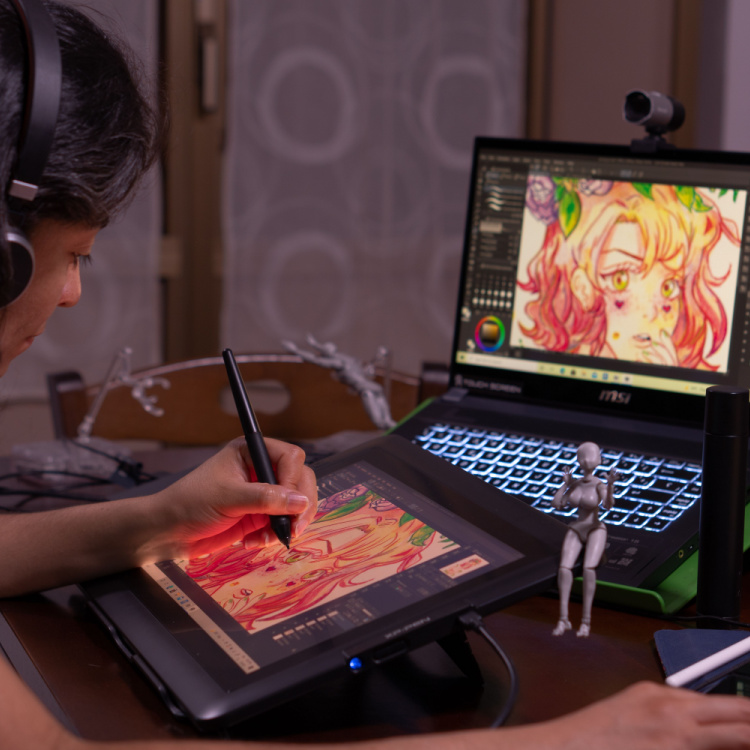
Digital Art

The Intersection of Digital Art and Photography

Photography and digital art often intersect, with many artists using photographs as a foundation for their digital creations. This synergy allows for a blend of reality and imagination, resulting in unique and compelling artworks.

Digital Enhancement and Retouching

Photographers frequently use digital tools to enhance and retouch their images. This can involve adjusting exposure, color balance, and sharpness, as well as removing imperfections. Advanced techniques, such as frequency separation and dodging and burning, enable photographers to achieve a polished and professional look.

Compositing

Compositing is the process of combining multiple photographs to create a single image. This technique is commonly used in digital art to create fantastical scenes that would be impossible to capture in reality. Effective compositing requires careful attention to lighting, perspective, and color to ensure that all elements blend seamlessly.

Digital Collage

Digital collage involves assembling various photographic elements into a cohesive whole. This technique allows artists to explore new narratives and visual languages by juxtaposing disparate elements in creative ways.

Photography Tricks for Digital Artists

For digital artists, understanding photography tricks can greatly enhance their work. These tricks can improve the quality of the source material and provide new creative possibilities.

Lighting Techniques

Proper lighting is crucial in both photography and digital art. Understanding how light interacts with objects can help digital artists create more realistic and dynamic images. Techniques such as three-point lighting, rim lighting, and softbox lighting can be applied to digital scenes to achieve the desired effect.

Perspective and Composition

Mastering perspective and composition is essential for creating visually compelling images. Techniques like the rule of thirds, leading lines, and depth of field can guide the viewer’s eye and add depth to the artwork.

Color Theory

A solid grasp of color theory can elevate a digital artist’s work. Understanding concepts like complementary colors, color harmony, and color grading can help artists create visually striking and emotionally resonant images.

The Role of Emerging Technologies

Emerging technologies continue to shape the future of digital art. Innovations such as augmented reality (AR), virtual reality (VR), and artificial intelligence (AI) are opening up new frontiers for artistic expression.

Augmented Reality

AR technology overlays digital content onto the real world, creating an interactive experience. Artists can use AR to bring their creations to life, allowing viewers to interact with the artwork in novel ways. This technology is particularly popular in installations and public art projects.

Virtual Reality

VR offers an immersive environment where artists can create and experience art in three dimensions. This technology is transforming the way art is produced and consumed, providing new opportunities for interactive and immersive storytelling.

Artificial Intelligence

AI is playing an increasingly significant role in digital art. Algorithms can generate art autonomously, assist with complex tasks, and even mimic the styles of famous artists. AI-powered tools like DeepArt and RunwayML enable artists to experiment with new styles and techniques, pushing the boundaries of creativity.

The Future of Digital Art

The future of digital art is brimming with possibilities. As technology continues to evolve, so too will the tools and techniques available to artists. This evolution promises to bring new levels of creativity, interactivity, and accessibility to the world of art.

Democratization of Art

Digital art tools are becoming more accessible, allowing a broader range of people to explore their creative potential. This democratization of art is fostering a more inclusive and diverse artistic community, where anyone with a computer or tablet can create and share their work.

Collaborative Art

Digital platforms enable artists from around the world to collaborate in real time. This global collaboration is leading to innovative and hybrid forms of art that blend different cultures, styles, and perspectives.

Sustainable Art

Digital art is inherently more sustainable than traditional art forms, which often require physical materials and space. By reducing the need for physical resources, digital art is contributing to a more sustainable future for the arts.

Conclusion

The exploration of digital art reveals a world where technology and creativity converge to produce stunning and innovative works. From pioneering digital art tools to the intersection with photography, the possibilities are endless. Emerging technologies like AR, VR, and AI continue to push the boundaries of what is possible, making this an exciting time for artists and enthusiasts alike. As we look to the future, the digital canvas remains a vibrant and ever-evolving space for artistic expression.

]]>
ARtistry Unleashed: A Journey Through the Evolution of Augmented Reality in Art https://archelleart.com/artistry-unleashed-a-journey-through-the-evolution-of-augmented-reality-in-art.html Sat, 16 Dec 2023 09:46:01 +0000 https://archelleart.com/artistry-unleashed-a-journey-through-the-evolution-of-augmented-reality-in-art.html

In the realm where art and technology converge, a fascinating evolution has unfolded over the years. Augmented Reality (AR), once confined to the realm of science fiction, has seamlessly woven itself into the tapestry of artistic expression. The journey of implementing AR in art is a captivating tale of innovation, pushing the boundaries of creativity and reshaping the way we engage with artistic narratives.

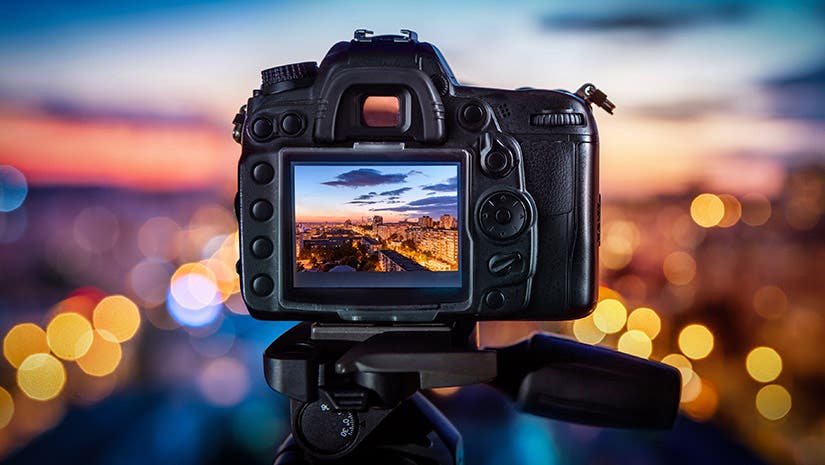
How AR can help artists and photographers

Genesis: Early Experiments and Exploration (Late 20th Century)

The roots of AR in art can be traced back to the late 20th century, when artists began experimenting with emerging technologies. However, it wasn’t until the advent of the 21st century that AR truly started making its mark. Early pioneers like Jeffrey Shaw and Myron Krueger were among the first to explore the possibilities of interactive and immersive art experiences.

AR as a Tool for Expression (Early 2000s)

As technology advanced, so did the role of AR in art. The early 2000s witnessed artists embracing AR as a medium for self-expression. Mobile devices and portable computing power became more accessible, enabling artists to experiment with the integration of virtual elements into physical spaces. This era saw the birth of artworks that blurred the lines between the real and the virtual, inviting audiences to engage with art in novel ways.

Transformative Art Galleries and Museums (Mid-2000s to Early 2010s)

The mid-2000s marked a significant shift as art galleries and museums recognized the potential of AR to enhance the visitor experience. Institutions began incorporating AR into exhibitions, breathing life into static artworks. Visitors could point their devices at paintings or sculptures, unlocking additional layers of information, animations, or even hidden narratives.

One notable example is the Museum of London’s “Streetmuseum” app, launched in 2010. This app allowed users to explore historical photographs of London overlaid onto their present-day surroundings through AR, creating a bridge between past and present.

Street Art Comes Alive (2010s)

Street artists, known for their ephemeral works, embraced AR as a means of extending the life and impact of their creations. By using AR, street art morphed into dynamic, ever-changing pieces. Passersby equipped with smartphones or AR glasses could witness murals transforming, revealing new layers of meaning, and becoming interactive installations.

A standout project in this era was the collaboration between French artist JR and filmmaker Darren Aronofsky for the creation of the “EYE CONTACT” mural in New York City. Viewers could use an AR app to see the mural animated and hear stories from the individuals depicted.

Collaborations, Accessibility, and Beyond (Present Day)

Today, AR in art has become more collaborative and accessible than ever. Artists collaborate across disciplines, merging technology, design, and storytelling to create immersive installations. AR art experiences are not limited to physical spaces; they extend into virtual realms, allowing global audiences to participate in the narrative.

From AR-powered art installations at major festivals to the democratization of AR tools, the journey continues. Artists are continually pushing the boundaries, exploring the potential of AR to redefine our relationship with art.

In this ongoing narrative, the history of implementing AR in art is not just a chronicle of technological advancements; it is a testament to the unbounded creativity of artists who, armed with digital brushes, continue to paint new worlds and reshape the canvas of artistic expression. The story of AR in art is an ever-unfolding masterpiece, inviting us all to step into the realm of ARtistry.

How AR can help artists and photographers
 

]]> Capturing Moments: The Art of Photography https://archelleart.com/capturing-moments-the-art-of-photography.html Tue, 05 Sep 2023 03:15:52 +0000 https://archelleart.com/?p=5391 Photography is more than a mere act of clicking a button; it is the art of freezing moments, telling stories, and capturing the essence of life itself. In a world where we are constantly on the move, photography offers us the chance to pause, reflect, and immortalize the world around us.

Photography

The Power of a Frame

A photograph is a frame that encapsulates a slice of time. It is a visual narrative that can evoke emotions, trigger memories, and transport us to places we’ve never been. A well-composed photograph is a work of art, where every element – from light and composition to subject and timing – comes together to create a captivating story.

Beyond the Surface

Photography goes beyond surface appearances; it delves into the depths of the human experience. It has the power to reveal the hidden beauty in everyday life – the play of shadows on a city street, the wrinkles on a weathered face, or the delicate intricacies of a flower’s petal. It encourages us to see the world with fresh eyes and appreciate the ordinary in extraordinary ways.

The Language of Light

Light is the paintbrush of a photographer, and mastering its nuances is essential. From the soft, diffused light of a cloudy day to the dramatic interplay of shadows and highlights during the golden hour, understanding and harnessing light is at the core of photography. It transforms a mundane scene into a masterpiece and elevates a subject’s presence.

Preserving Memories

Photography is a time machine that allows us to revisit moments long past. Family gatherings, vacations, and life’s milestones are immortalized through photographs. They become treasured heirlooms, passed down through generations, connecting us to our roots and the people who shaped our lives.

Storytelling Through Images

A photograph can tell a story more eloquently than words ever could. It can convey a range of emotions – from joy and love to sadness and nostalgia. Documentary photographers, for instance, use their craft to shed light on social issues, spark conversations, and inspire change. Each photograph is a chapter in the larger narrative of our world.

The Pursuit of Perfection

In the world of photography, perfection is a never-ending quest. It’s about finding the perfect angle, the perfect composition, and the perfect moment. Yet, it’s also about embracing imperfections – the candid smile, the unposed moment, the unexpected twist – as they add depth and authenticity to the visual story.

The Ever-Evolving Art

Photography is an art form that constantly evolves with technology. From the days of film cameras to the digital age, and now the era of smartphone photography, the tools may change, but the essence remains the same – the desire to freeze moments in time and share them with the world.

Conclusion

In a fast-paced world, photography encourages us to pause and savor the moments that matter. It is an art form that celebrates the beauty of our world, the richness of our experiences, and the depth of human emotions. So, whether you’re a professional photographer, an enthusiastic amateur, or simply someone who appreciates the magic of a well-taken photograph, remember that in each frame, there lies a story waiting to be told, a moment waiting to be captured, and a world waiting to be discovered anew.

]]>

John Ahearn & Rigoberto Torres Exhibit Continues at The Bronx Museum https://archelleart.com/john-ahearn-rigoberto-torres-exhibit-continues-at-the-bronx-museum.html Wed, 17 May 2023 21:24:48 +0000 https://archelleart.com/john-ahearn-rigoberto-torres-exhibit-continues-at-the-bronx-museum.html

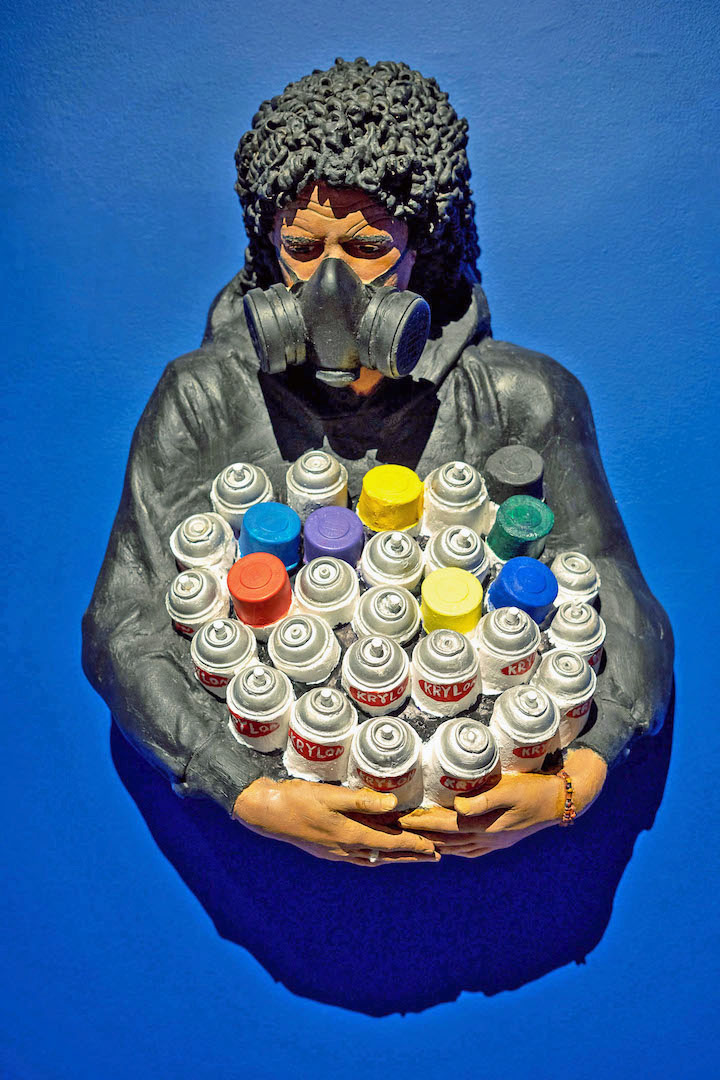
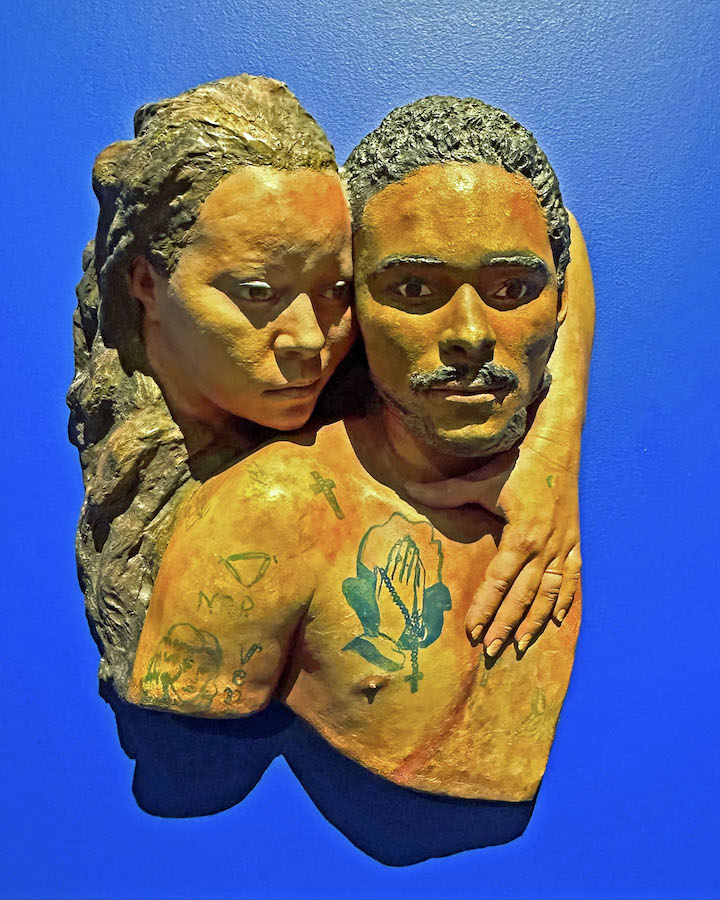
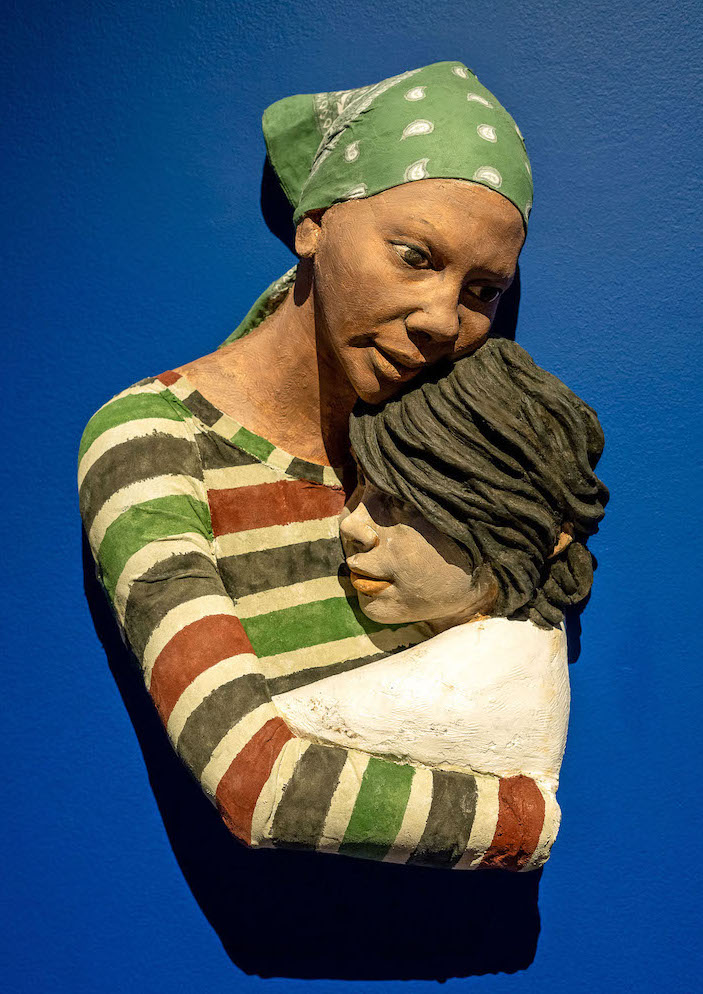
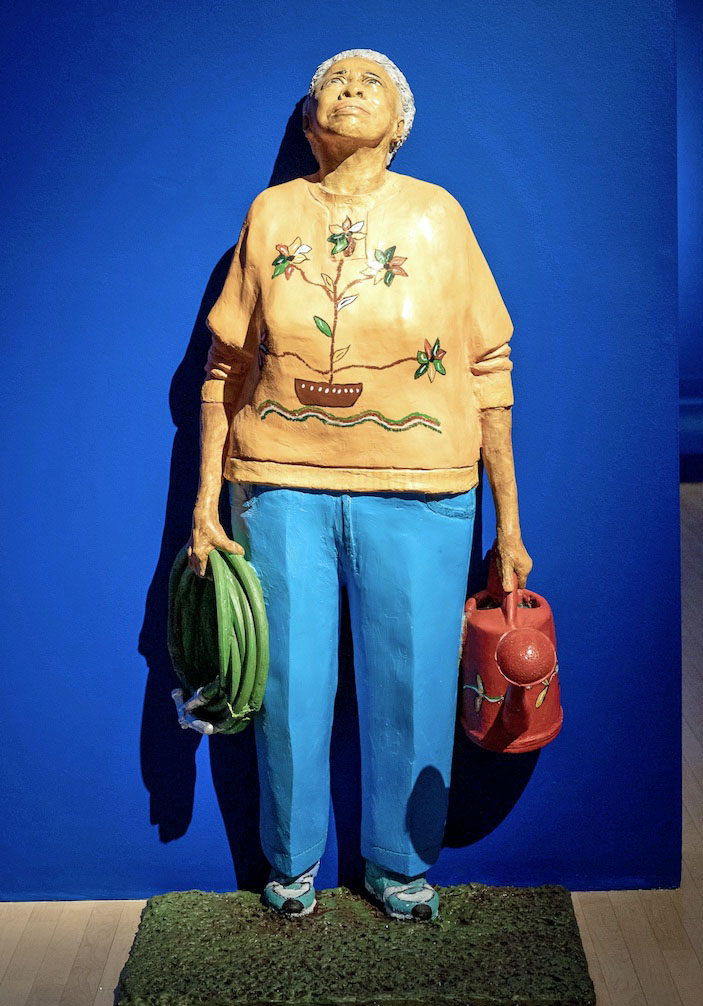
Bronx-based artists John Ahearn and Rigoberto Torres have been fashioning exquisite life-like portraits of their neighbors for over 40 years. At once poignant and majestic, their sculptural portraits are a a visual ode to their community — its resilient spirit and its rich culture.  Continuing through this month at The Bronx Museum is their solo exhibition  “Swagger and Tenderness…,” featuring 65 sculptural portraits created both individually and collaboratively. What follows is a brief sampling:

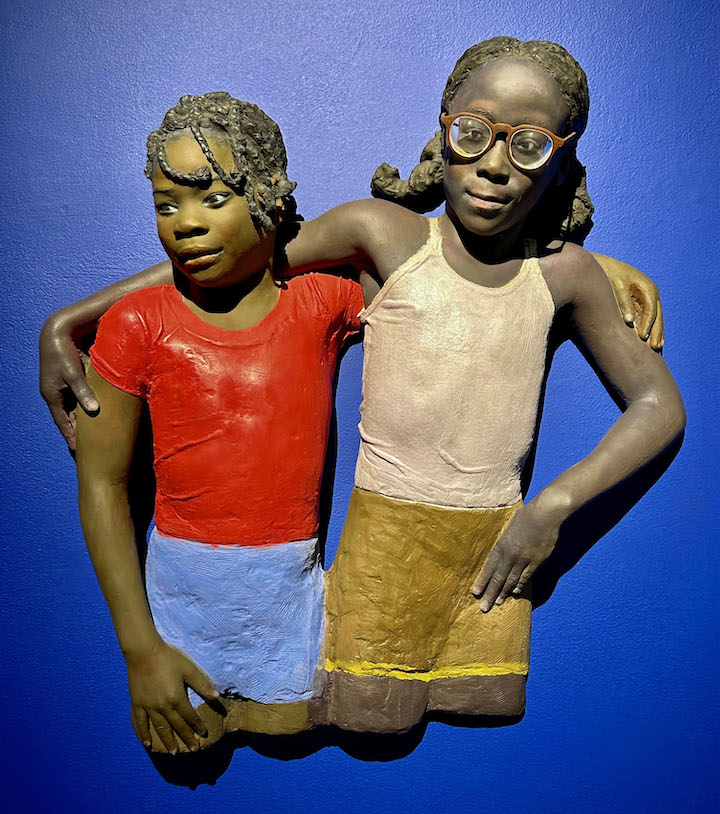
John Ahearn with Rigoberto Torres, “Janelle and Audrey,” 1983, Acrylic on plaster
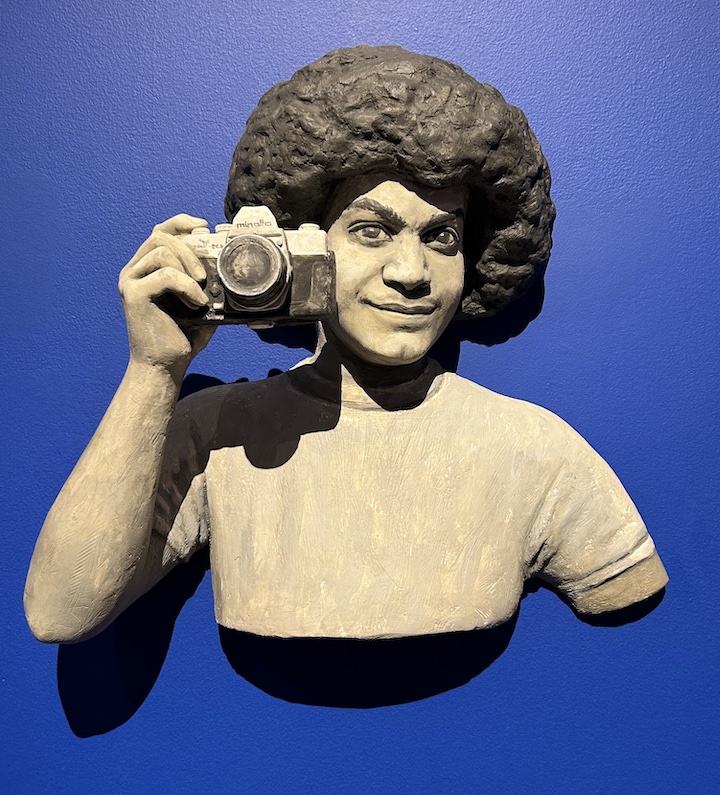
John Ahearn, “Joe Conzo at 17,” 2020, Acryic on plaster
Rigoberto Torres, “Daze,” 1998, Acrylic on plaster
John Ahearn with Rigoberto Torres, “Mario and Norma,” 1979, Acrylic on plaster
John Ahearn, “Juanita in Stripes Hugging Carlos,” 2020, Acrylic on plaster
Rigoberto Torres, “Melissa Maycock,” 1997, Acrylic on plaster
John Ahearn with Rigoberto Torres, “Bintou and Anwar,” 1998, Acrylic on plaster
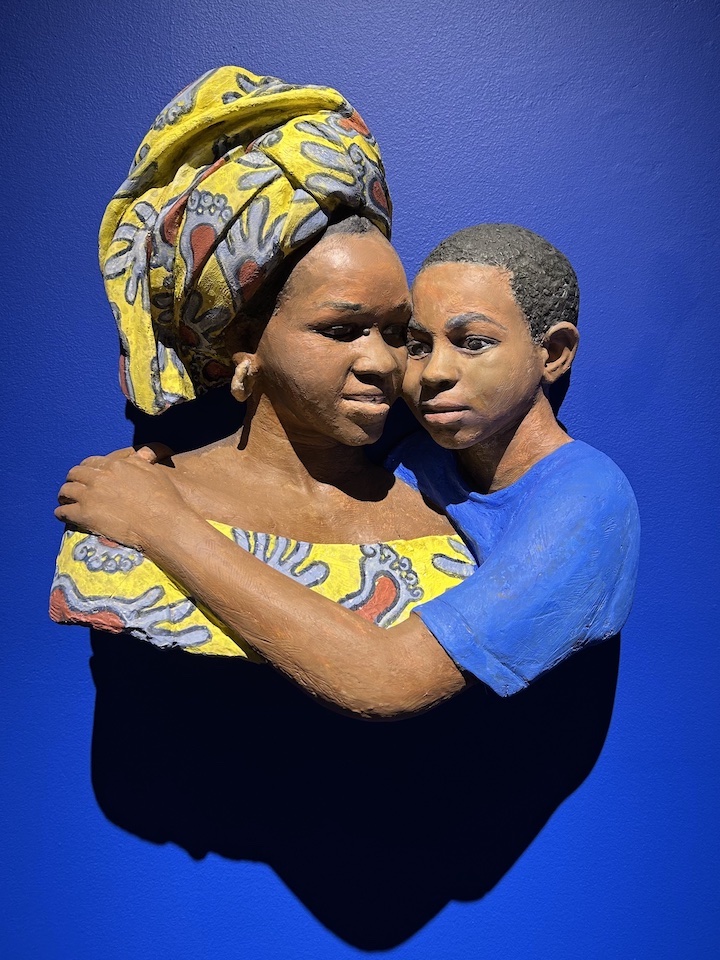
Co-curated by Amy Rosenblum-Martín and literary activist Ron Kavanaugh, “Swagger and Tenderness…” remains on view at The Bronx Museum until the end of this month. Located at 1040 Grand Concourse, the museum is open Wednesday – Sunday from 1 – 6PM. Admission is free.
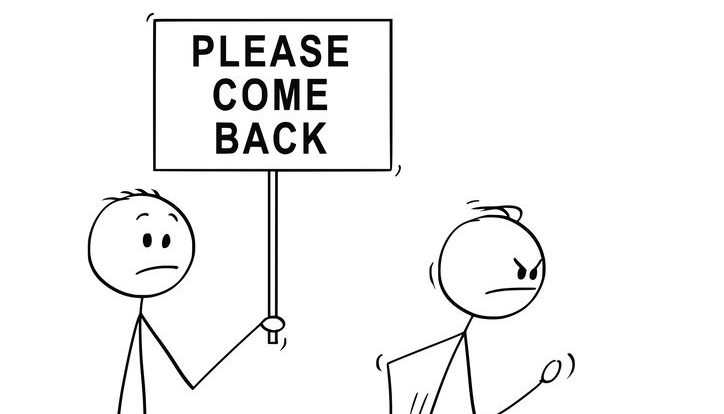

Photo credits: Rachel Alban, 1, 4, 6 & 7; Lois Stavsky, 2, 3, 5 & 8

]]> Art AND: Joseph Hyde – BmoreArt https://archelleart.com/art-and-joseph-hyde-bmoreart.html Wed, 10 May 2023 21:23:45 +0000 https://archelleart.com/art-and-joseph-hyde-bmoreart.html

I sent him a bunch of landscapes, which at that time had no manmade anything in it. And they go, “Oh, these are nice. What else have you got?” I started going through the outtakes of all that stuff, which included images like this barn image, piers and stuff that was man-made, but it was still landscaping. And they ate that up. I became super depressed because I began to see that on the East coast, we are just used to looking at man-made objects and an image that has nothing but natural objects is unfamiliar and uninteresting. There’s a distinct prejudice against purely organic subject matter, particularly if it’s in black and white. I was really starting to get bumped in my own field, like a fish out of water, like a person out of time. I started to feel like Van Gogh, making all this work and getting no traction.

Oh gosh, that’s never good—you don’t want to feel like Van Gogh.

I kept thinking to myself, “Why wasn’t I born on the West Coast? Why wasn’t I born where my imagery comes to me naturally and not have to look all over the place to find my subjects.” That’s always been a big struggle for me. And it hasn’t changed a bit. Everything is pretty much the same as it was twenty years ago.

So what eventually happened with the gallery? Did they show your landscapes?

They never took an interest in the landscape work. I attributed it to the East Coast syndrome. It’s just something that I must accept: that it’s just a bastard child of the art world. But I have had some good things happen. I eventually got representation in the nineties. I was ambitious about trying to get good representation and I was pretty sure I wasn’t going to get it in Baltimore. There just wasn’t a gallery that showed anything that vaguely resembled what I was doing at the time. 

I started looking in New York because it’s a bigger marketplace. And I started sending slides in those days and because I can make my own slides, I sent a shitload of them out. The nineties were so hard. The first person who called was from a well-known gallery that is still in Chelsea. The director-owner calls me up and she says, “Hey, got your slides, love your work. I’m having a summer show and the theme we have in summer is ‘all the people we’d like to represent, but we just don’t have space.’

She said that was the theme of the show? She didn’t say it was “small works” or a nature theme or something? She just said, we’re not going to represent you, ever, but you could be in this group show?

She explained they do this show every summer and it’s a salon style hang. Which is a generous idea. She was very pleasant and I said I’d be happy to. I deliver the work. It’s a very beautiful space. And I show up dutifully to this show and it’s mobbed. Imagine a salon-style show of largely small works just floor to ceiling every wall in a very large Chelsea gallery. Some of the work is way up high, some of it’s practically on the floor and there’s everything in between. They’ve hung my work absolutely at eye level, all three pieces. And I was like, Wow, I’m okay with this. The show is all summer long, I go to collect my work and they said, “Joe, we had your work sold, this Italian family came in and loved it but we lost their contact information and they were from Italy so we’ll never see them again, we’re sorry.” I thought, I didn’t have to get on 95 to get this kind of representation.

So that was my first New York experience. I thought, good luck, bad luck. A year later I get a call from a gallery in SoHo on Broome Street. The guy says, “We’re having a show and we want to make sure this piece of yours is available because we’d love to have it in a group show.” And I said, “Okay, What’s the title?” He gives me the title. I go, “Wow, that piece is seven years old.” And they go, “Yeah, we’ve had your slides for a while and we knew we were gonna do something with you, but today’s the day. So we need this piece because we’ve already put it on the card and printed it.” And I said, “Oh, I’d be happy to bring that piece for you. I’d like to bring something a little bit newer as well.” And they go, “Yeah, yeah. Fine.” So I take the two pieces up there and they’ve got me in a separate room with another artist who I know Marilyn Bridges, she’s an aerial photographer. She does this beautiful work from an airplane looking straight down on the earth in black and white.

[There’s a] very successful opening and they sell one of my pieces—the new one I gave them—I was thrilled. They were happy. They were in a really good mood and it felt like a beginning. I thought, Whoa, that’s about as good as you can get. They’re representing a friend of mine, it’s a multimedia gallery, but they’ve got me in their group and put me on their website.

I’m waiting for the shoe to drop, Joe.

Oh, it’s coming.

I’ve heard enough of your stories to know it’s coming.

Everybody’s happy and jolly, I go home and a week later I get a call from Houston, Texas and they said, “Hey, that piece that you sent us for this charity auction? We sold it.” And I said, “Well that’s good.” And she goes, “Well yeah, it’s good, but we oversold it.” And I go, “Does that mean you sold it for too much?” And she goes, “No, we actually sold it three times and we only have one but we know it’s part of an edition, so we were wondering if you could just send us two more of that image.” So I say sure. 

It turns out that image was the one they sold in New York from the same edition. I was pretty chuffed by this arrangement. This is good news, I wanted to share it. So I call up the gallery and I go, “You won’t believe it. That piece that you sold in New York, we just sold three of them in Texas from the same edition. We’re getting some traction.” She goes, “Oh, well we get half of that, right?” I go, “No, no, no, no. This was a charity thing. It’s 50/50 charity and the artist, and it was arranged before I signed anything with you.” And they said, “It doesn’t matter, it’s half ours.” She goes, “Read your contract, Joe. During the show and for six months after the show we have world rights to those images.”

I’m sorry, what? Is that when your exclusivity radius is the circumference of the globe?

Apparently. And so I said, “I had no idea that’s what I signed.” She goes, “Obviously you didn’t read it. We’re going to let it go this time, but it will not happen again.” And I said, “Agreed.” A week later, I’m telling this story to another artist and he asks if they’ve got my work on their website. So I go to the website and it’s not there. I call her, I get her on the phone—in those days you actually did get people on the phone. And I go, “I just noticed that my work is no longer on the website.” She goes, “Yeah, we’re not going to be able to work with you. You need to come get your work.”

I’m bummed again but I decided I don’t want to be in a multimedia gallery, I want a fully dedicated photography gallery that shows work like mine. So I go looking for that. I sent an email to a NY-based gallery asking about the protocol for new submissions. A letter comes back from the director. And I send the JPEGs and within an hour he writes back, “Can I call you?” And I say, Sure. Phone rings, “We like your JPEGs, is the work here in New York?” And I said, “Well, it’s not in New York. I’m in Baltimore, but I’ll bring it to you.” He goes, “Is tomorrow at 11 okay?”

So I take the Acela up there to Soho. I go, well, this is pretty sweet. It’s a tiny little gallery, the walls are chocolate, it’s handsomely lit. And I’m looking at the walls of the group show and its masterworks from all my freaking heroes. All of them! I can name the artist and the title of almost everything hanging in the space. I say, “This work is very familiar to me.” He goes, “Well your work blends in here but let’s look at your portfolio.” 

I had a tiny portfolio, a 14 by 10 box of prints. We walk to a table in the back and his assistants have their white gloves on already like they’re waiting for me. What a joke. They go through the prints, they’re handed them to each other, and they’re looking at the resume and the price list and the statement and the whatever. He goes to his first assistant, “What do you think?”

The assistants are in their twenties, a guy and a gal, and I’m 43 at the time. The male assistant says, “We could probably move some of these.” And the gal says, “The prices are the cheapest that we have.”

You’re the bargain!

So he turns to me and says, “I’m not offering you a show. I’m not offering to represent you. I just want to hold on this on consignment long enough to show a handful of my clients.” And I said, “okay.” He says “Let’s sign the paperwork.” He’s very professional, there’s a blue blood quality to him.

He’s refined, he’s got two assistants with white gloves.

I leave the portfolio at the gallery and that night, MaryAnne goes, “How’d it go?” And I tell her, “I don’t think it could have gone better. They have all of my heroes represented there. They’re nice people. It’s a real live photo gallery—all they show is photography.” In a week, there’s a check in the mail. We sold this piece. I thought, wow, that’s pretty fast. Next month, we sold this piece. Here’s the check. Next month, we sold this piece. Here’s the check. 

At that point, I call him, and say it’s “Joe Hyde in Baltimore. I wanted to congratulate you on selling some of my work, and I was wondering if I could just send you three new prints to put back in the box?” And he said, “Hold on to that. We’re renegotiating our lease right now. We’ll get back to you.” And I said, okay and I hung up and I think, what does that have to do with me? That doesn’t make sense to me.

Two days later, there’s my portfolio on the front porch with a nice letter saying, Thanks for all of your time and effort, we’ve decided to close. My portfolio is in perfect condition. It’s beautifully, carefully, packed by the white gloved assistants, no doubt.

That’s hard because you felt like you were getting somewhere.

I keep thinking I’m getting some traction. And this world, man, is just too weird. I was devastated. I was thinking, I did everything right and everything went wrong. After that, I lost interest in the whole idea of having good representation.


]]>
ARCO Madrid + Alternative Art Fair Events Reviewed https://archelleart.com/arco-madrid-alternative-art-fair-events-reviewed.html Wed, 03 May 2023 21:23:04 +0000 https://archelleart.com/arco-madrid-alternative-art-fair-events-reviewed.html

Large-Scale Installations and New Media Art

This year’s fair showcases increased confidence, demonstrated by numerous large-scale installations and new media art pieces. The event exudes the aura of a top-tier art fair, displaying impressive and massive artworks that leave a lasting impression on visitors.

New and Noteworthy Participants

ARCO Madrid 2023 welcomes significant new participants, including prominent American gallery David Zwirner. Additionally, the fair features two curatorial programs and introduces ArtsLibris, adding further diversity and intrigue to the event. The art fair has regained momentum, boasting a vibrant and dynamic atmosphere.

How to Get Your Art into ARCO Madrid

ARCO Application Process

Participating in ARCO Madrid: The fair does not accept individual artist applications. Instead, artists must be represented by a commercial gallery, which must apply on their behalf. A gallery must be open for at least two years before applying to any professional trade show or art fair.

Selection Criteria and Point System

ARCO Madrid employs a strict selection process, relying on a point system to assess gallery applications. The jury evaluates each gallery’s program and proposal based on specific criteria. Factors like previous participation in ARCO or representation of artists who have participated increase a gallery’s score. New galleries may find entering more challenging, as the point system often favors established galleries with a history at the fair.

]]>
How We Run Our Art Documentary Group and What We Watch https://archelleart.com/how-we-run-our-art-documentary-group-and-what-we-watch.html Wed, 19 Apr 2023 21:20:34 +0000 https://archelleart.com/how-we-run-our-art-documentary-group-and-what-we-watch.html

After watching so many art documentaries, it’s clear that some are better than others. They are produced better, scripted better, and filmed better, making them easier to watch. Sometimes, even the background music can detract from the film’s message.

Still, even in so-called bad documentaries, there is something to be learned.

The fourth film we watched is called In the Realms of the Unreal: The Mystery of Henry Darger. This was just too weird to watch. The animation was excellent, but neither my husband nor I could feign any interest in it. I think Janice and Lisa deserve gold stars because they stuck with it to the end. ( I won’t point fingers at who selected this one, Lisa.)

Even though I didn’t like the film, I’m fascinated by the story of Henry Darger, a janitor and secret artist unknown in his lifetime. His work, including 15,000 pages of a novel, was discovered by his landlords, who saved the work from being tossed in the garbage and brought it to public attention. His estate is now being litigated—50 years after his death. I wasn’t interested in that particular documentary, but it led me to surrounding topics, like art litigation, which I find endlessly fascinating.

Curiously, a number of the documentaries we have watched have been written and produced by family members. Daughters, in particular, seem to want to tell the stories of their artist-fathers. Of course, you have to take that into account.

The documentary Botero about the famed Colombian artist Fernando Botero is beautifully done. Truly a stunning film. It’s also directed by a longtime family friend and produced by his daughter. It’s blatantly biased—trying to convince me of Botero’s genius, which I found hard to stomach.

]]>
Are you Chasing Away Your Art Buyers? –RedDot Blog https://archelleart.com/are-you-chasing-away-your-art-buyers-reddot-blog.html Wed, 12 Apr 2023 21:19:07 +0000 https://archelleart.com/are-you-chasing-away-your-art-buyers-reddot-blog.html

Selling art can be a real challenge, but the moment of the sale is exhilarating. Your artwork has just been, in a way, validated. The purchaser has said to you, “I think your work is good enough that I’m willing to part with my hard-earned money to acquire it.”

For many artists, however, the sales come far too infrequently. While sales are not the only measure of success for an artist, sales not only validate the work, they allow and encourage you to create more. There are many hurdles that get in the way of sales. The poor economy of the last several years has made the art market more competitive and art buyers more cautious. Many artists don’t get enough exposure for their work, and if buyers can’t see your work, they can’t buy it. Many of you have taken your marketing and sales into your own hands – showing your work in art festivals,  participating in open studios, selling online, or in co-op galleries. You are having an opportunity to interact directly with your buyers.

I believe that having direct interaction with potential buyers can be a great experience and can help you better understand the art business and sales process. It also gives you the opportunity to get direct feedback about your work. Sales can be even sweeter when you are making them yourself, and the buyer will often enjoy the opportunity of dealing directly with the artist.

Unfortunately, many artists (perhaps yourself included) are not well prepared to go from creating art to selling it. Selling is a fine art in itself, and requires skill and practice. Some people are born salesmen, but others have to learn the skill. Even natural salespeople can always stand to sharpen their skills. For the next several posts, I would like to concentrate on several key areas of the selling process. I hope that by discussing key issues, I can help you become a better salesperson, and I hope the discussion around these posts will allow you to share what you’ve learned about the sales process or discuss challenges you’ve faced.

Even if you turn over most of the marketing and selling of your work, understanding the sales process will make you a better partner to your galleries or agents.

I want to begin this series by discussing one of the most common mistakes made in the art sales process.

Many artists, and even some gallery salespeople, mistakenly think that the art sales process is a mysterious, and perhaps even devious way to trick people into buying something they’re not interested in. If this is your approach to selling, you will have limited success and unsatisfied buyers. I believe our work is much simpler: we are here to help people who feel a real connection to your art make it a part of their lives.

To this end, our job is one of facilitation, not convincing. We want to help buyers overcome any fears or doubts they might have about buying the art that they want.

EasyWayOutMake no mistake, there is fear and doubt for the buyer. As buyers are considering whether or not to buy, they will be concerned about whether or not the art will fit naturally in to their home . They will be afraid that the price is too high, or whether they can afford the art. They will doubt their taste. In short, the buyer will have a fear of commitment.

All of these doubts, and many more, can come to a buyer in the critical moment they are deciding whether or not to make the purchase. In this critical moment, we should be doing everything in our power to reassure buyers  the benefits outweigh the risks, and we should be asking for the sale.

Instead, what I often see  (and I’ve been guilty of it myself many times) is our own fear sabotaging the sale.

As an art sales person or artist, we are afraid of many things ourselves. We are afraid that the potential buyer doesn’t actually like the work and will say “no” if we ask them for the sale. We are afraid that the work isn’t really that good. We are afraid we’ll say the wrong thing. In short, we’re afraid of rejection. Our fear of rejection, combined with our client’s fear of commitment, often leads us to do exactly the wrong thing at the critical moment.

Our fear of rejection, combined with our client’s fear of commitment, often leads us to do exactly the wrong thing at the critical moment.

An example. You have a client in your booth at an art festival. The potential buyer has shown real interest in a particular piece. You’ve shared the story of the creation of the piece. You’ve given them your background. You’ve learned about them. You’ve asked where they would place the art. You’ve done everything right to create the sales atmosphere. There is a heavy pause as you can tell that the client is contemplating the purchase. Your heart starts pounding because you know how close you are to the sale, and you say . . .

“Would you like a brochure of my work?”

The client smiles in relief, says “sure,”  takes the brochure, and walks away, never to be seen again.

At that critical moment when the potential buyer was on the verge of making a commitment, you gave them an easy way out. They were wrestling with their inner voice, trying to convince themselves to take the plunge,  and you offered them a way to procrastinate the commitment. Once the decision has been put off, the likelihood of getting them back to the commitment is almost nonexistent.

Offering a brochure is one sure way to put a damper on the sale, but there are many others. Any of the following will accomplish the same procrastination.

Let me be clear, none of these phrases are evil in themselves. There are times when they would be exactly the right thing to say. The moment of decision is not one of those times.  These phrases are all attempts to solve problems that the client may or may not have. By preemptively interjecting one of them, we are trying to skip the moment of possible rejection and go straight to a solution. Unfortunately, without asking for the sale first, we’re not solving a problem, we’re creating one.

Instead of throwing out one of these solutions, it’s critical to ask for the sale and see what happens. Your client may indeed express a doubt about making the purchase, but now we can work on resolving an actual concern instead of guessing what the doubt might be and giving the client a procrastination inducing solution.
Today I simply want to encourage you to focus on avoiding the temptation to give your buyers an easy way out. It would be better not to say anything at all, than to give your buyers a ready excuse not to buy. The next time you are in a sales situation and you feel you are at that critical sales moment, I want you to be aware of your urge to delay the sale and to make a conscious effort to avoid giving in to the temptation. From personal experience, I can promise you that your sales will increase.

Have you been guilty of chasing away potential art buyers? What has happened when you gave your client an easy way out? Have you overcome the urge to give your clients an easy way out? How did you do it? Please share your experiences, thoughts and wisdom in the comments below.

]]>
Isn’t Email Marketing Just Sending Newsletters? https://archelleart.com/isnt-email-marketing-just-sending-newsletters.html Wed, 05 Apr 2023 21:17:04 +0000 https://archelleart.com/isnt-email-marketing-just-sending-newsletters.html

This post is by Clint Watson, former art gallery proprietor and founder of BoldBrush, recognised for FASO Artist Web-sites, the main service provider of professional artist sites, the $38,000+ BoldBrush  Art Contest & Show and the absolutely free everyday art marketing and advertising publication, FineArtViews. As a self-proclaimed “artwork fanatic”, Clint delights that BoldBrush’s downtown San Antonio, Texas place of work is comprehensive of authentic art You can hook up with Clint on TwitterFacebook or his individual blog at clintavo.com


Even though I am a massive proponent of electronic mail advertising for artists, I have started out shying absent from making use of the time period “electronic mail newsletters” since of the connotation that “composing a e-newsletter” conjures in quite a few people’s minds.


Embrace the Medium


Anytime a new conversation medium seems, it is all-natural for men and women to simply transfer what’s doing the job in a preceding medium to the new medium.


The to start with television ads were truly just radio advertisements repurposed for Tv. The radio ad (optimized for voice) performed although the perspective stared at a static impression. The first tv advert was by the Bulova look at business in 1941. And, certainly, they simply just took the voice-above from a single of their radio advertisements, and shown a image of a watch, and properly, that was the total ad. Certainly they were not (however) embracing television for it is possess special strengths.


What they hadn’t accomplished, what no person had finished, was to understand that television was a brand name new medium with wholly diverse strengths.


Distinction that early Bulova Television set advertisement to a modern Apple advertisement. The modern advertisements embrace all the toughness of the medium. They concentrate on rapidly-transferring visuals that evoke emotion, and often have minimal or no voice about. We noticed a very similar circumstance in the early times of video ads on Fb. Numerous businesses simply posted their television adverts to Facebook. But Fb video clips have substantially fewer attention and require to be powerful, will need to be produced in different ways from regular Television set ads.


The position is that for each medium and each channel, you have to embrace that medium and design and style your internet marketing to do the job natively with the system.


Embrace Electronic mail, Natively


E mail promoting goes much outside of sending “newsletters.” A “newsletter” is a thing that was printed on paper that we despatched in the pre-internet period.


Prior to email, numerous businesses and artists created print newsletters. In a print newsletter, it will make sense to preserve up a ton of news, and then develop one thing regular monthly or quarterly that shares all of that information at when. At my gallery, for case in point, we normally sent printed newsletters that experienced a dozen or so “stories” about impending reveals, news about artists, or recommendations and tricks on gathering and hanging your artwork. That produced feeling in a medium that necessary highly-priced printing and mailing through snail mail. It also built sense in a earth just before smartphones. A earth exactly where folks ended up accustomed to sitting and studying a newspaper.


Many early makes an attempt at email “newsletters” mimicked this earlier era and individuals merely ported their printed newsletters to the new e-mail medium. The worst types only hooked up a pdf of their e-newsletter. But, even the finest ones had much much too much articles for a single email.


Even the early editions of FineArtViews were built this way, right up until I incredibly rapidly recognized that:


1. Creating e-mail newsletters this way was quite hard and took considerably far too substantially function

2. Sending an electronic mail with dozens of subject areas overcome men and women and they commonly deleted them.


Basically porting a print newsletter email is as much a mistake as basically porting a radio advertisement to Television. We, like anyone else, rapidly figured out how to do the job with the medium of e-mail properly.


With e mail, people’s attention spans are substantially shorter than with print. Subscribers have a tendency to scan as a substitute of looking at in depth (with exceptions). You have to intrigue your reader considerably much more rapidly. As opposed to a printed e-newsletter, which might dangle all-around on the espresso table for times or weeks, an e-mail may well rapidly be despatched to the electronic trash bin.


So, you should adapt your system to the medium. That usually means becoming far more focused. That usually means obtaining quickly to the issue. Make each email about a single, and only one particular topic (following all, you can mail an additional a single tomorrow, or next 7 days, which we couldn’t affordably do with printed newsletters). If you want the reader to do a thing, make it extremely very clear what you would like them to do. It often means focusing on only a tiny subset of your electronic mail list (if you are advertising and marketing a workshop, only ship it to the “artist” phase of your record).


In addition, because e-mail is so low cost to send out, folks can subscribe to a series of email messages, regarded as autoresponders. We failed to have a way to do this in the print world, and it truly is one more excellent case in point of working with the email platform natively. We’ll cover autoresponders in a afterwards short article.


When you embrace the medium, your promoting will use the electronic mail medium natively, personally and to its best benefit.


Good e mail marketing and advertising is refined, specific, personalized, pertinent and pretty various from only sending a “newsletter.”


What strategies have worked for you in advertising your artwork, displays or workshops by means of email?  


Sincerely,


Clint Watson

BoldBrush/FASO Founder & Artwork Fanatic


—————————————————————

Editor’s Take note:  

Want to market your art? A professional and protected web site can be your most useful instrument to enable you promote your artwork. FASO is the major service provider of high quality artists internet websites engineered completely for elite artists. We make it uncomplicated to make (even for non-techies) and keep, we include SSL for all of our sites at no additional expense and we give you with some fantastic artwork marketing and advertising tools that automate lots of frequent advertising and marketing tasks for you. Get Started out with FASO nowadays cost-free for 30-days, click listed here.


]]>
Live music & film with post-rock band hazards of swimming naked https://archelleart.com/live-music-film-with-post-rock-band-hazards-of-swimming-naked.html Wed, 29 Mar 2023 21:15:33 +0000 https://archelleart.com/live-music-film-with-post-rock-band-hazards-of-swimming-naked.html

The launch of our new event cinema series kicks off on Sunday 26 February and runs across 10 unique screenings and music performances until 26 November 2023. Our ‘City Symphony’ Live Music & Film series will start with a screening of the iconic Man with a Movie Camera 1929 paired with Brisbane based post-rock band hazards of swimming naked who have crafted a new live score for the film.

Live Music & Film #2: ‘Lines’ accompanied by Matt Hsu’s Obscure Orchestra

Get tickets to City Symphony Live Music & Film series

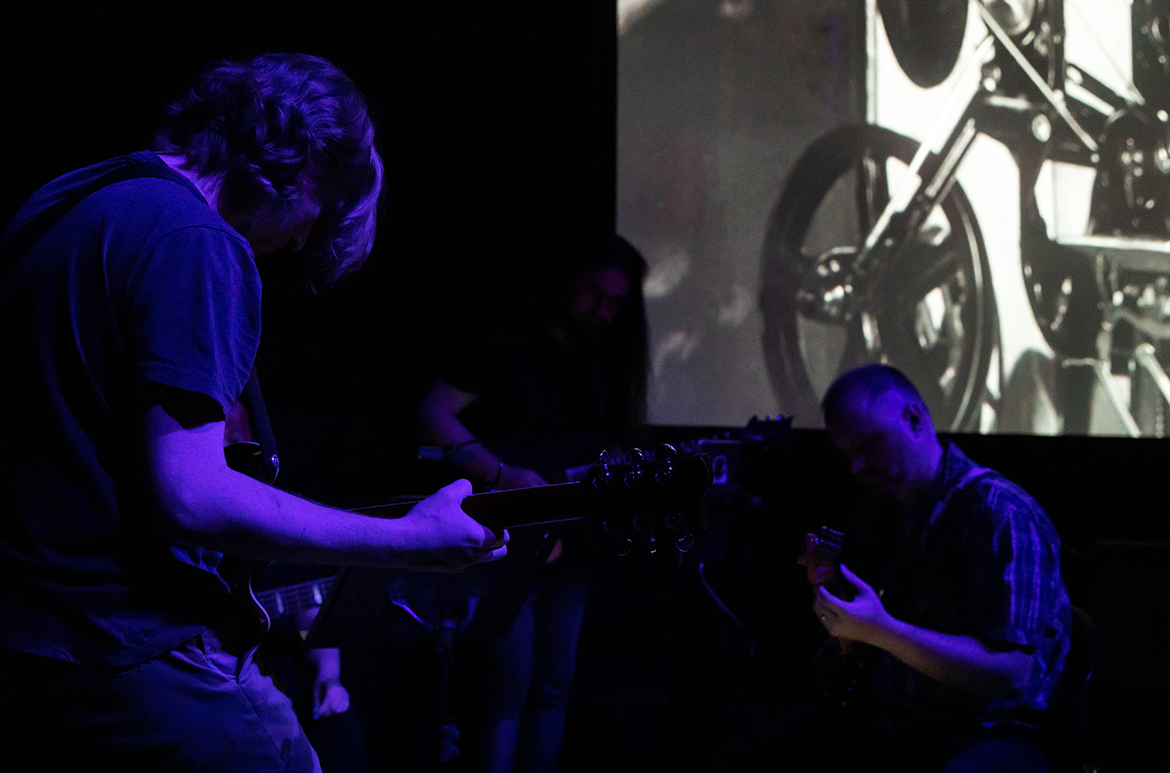
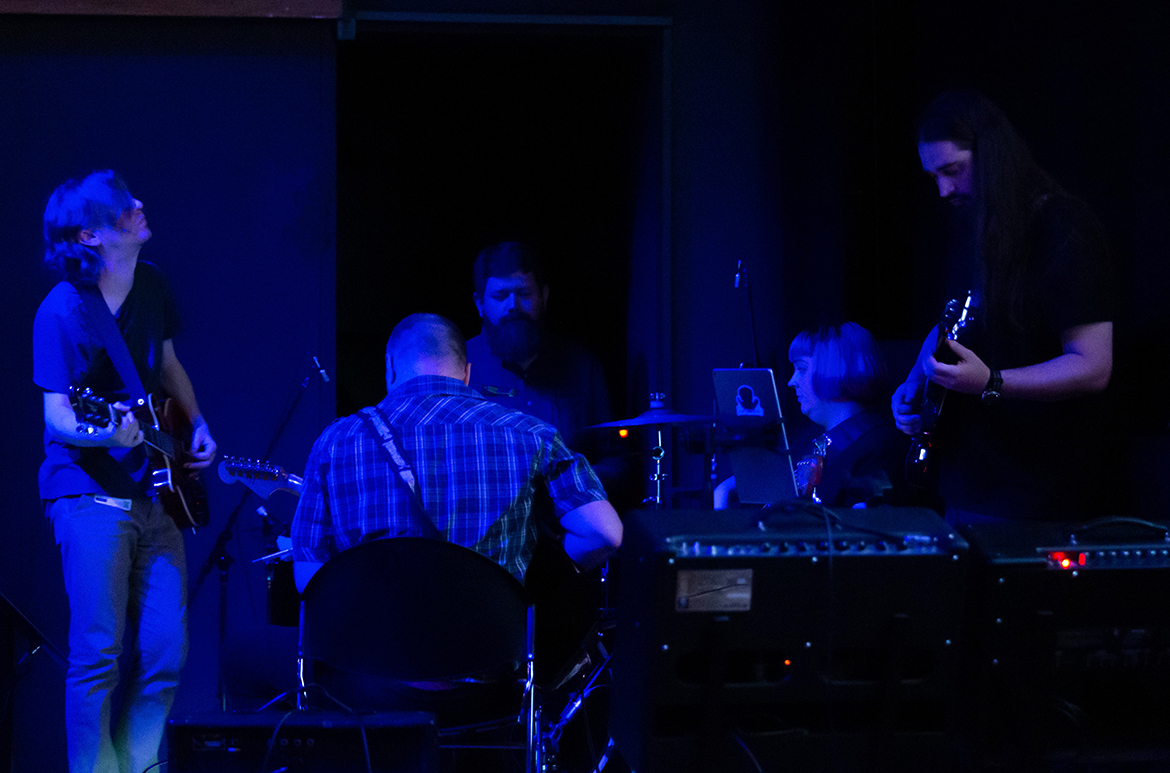
hazards of swimming naked playing live at GOMA

Brisbane based post-rock band hazards of swimming naked playing live at the Australian Cinémathèque, QAGOMA during ‘City Symphony’ Live Music & Film series / Photograph: C Baxter © QAGOMA

City Symphony film movement

The ‘City Symphony’ film movement began in the 1920s. It was a period of rapid urbanisation and with all that movement to cities, people were thinking about the built environment and how that influenced their daily lives.

The 1920s was also at the beginnings of filmmaking as an artform. This was the era of silent cinema — Charlie Chaplin’s comedic style was swelling in popularity around the world. There were also a number of directors exploring differing styles of camera framing and editing techniques. City Symphony films are playful cinematic experimentation — part documentary, part film poem.

Man with a Movie Camera is one of the most beloved City Symphony films for its fresh, joyful, and rhythmic approach to filmmaking as well as its camera trickery — in one scene the central character towers over a city like a giant then in another he’s small enough to fit into a frothy beer mug (illustrated).

Director: Dziga Vertov ‘Man with a Movie Camera’ 1929

Production stills from Man with a Movie Camera 1929 / Dir: Dziga Vertov / Image courtesy: mk2

Brisbane based band hazards of swimming naked were a great fit for such a treasured film as they have a wealth of experience accompanying screenings at the Australian Cinémathèque, Gallery of Modern Art. Their moody sound and attention to creating a fulsome, sonic atmosphere will complement the big vision of the film.

We asked Adrian Diery from hazards of swimming naked about the crafting of this live score.

Rosie Hays / What were your first impressions of the film ‘Man with a Movie Camera’ and what did it inspire?

Adrian Diery / When I first saw the film I was struck by the adventurous approach to film making. The brothers [the filmmaking duo director and cinematographer are siblings] seem to be following their instincts in capturing everyday life, pushing the limits of their equipment, themselves, innovating camera techniques and setups. We get to see the world through the man-with-a-movie-camera’s lens, but we we’re also shown how he’s capturing the images, and then how the editor (the director’s wife) organises and pieces the film together.

Man With A Movie Camera is an incredible document of an almost blissful moment in time, it’s in the early days of the Soviet Union, after the end of the Russian Civil war, between the two World Wars, and in the very early days of Stalin before he became truly monstrous. Throughout the film there is a pervading sense of progress and hope. The streets are bustling, the everyday people are championed; in the chapters on leisure and entertainment there’s evident joy and wonder on the faces of children and adults as they swim, engage with sport and athletics, watch a magic show, attend the ballet or cinema. There’s also a spirit of adventure as the filmmakers cling to the side of train, climb into precarious positions atop of tall structures, or play with stop motion and camera tricks.

RH / What instruments will the band play?

AD / Space is at a premium when we perform at GOMA’s Australian Cinémathèque. In the past we’ve managed to squeeze some extra personnel into the corner with us, but we’re sticking to our regular line-up of guitar, bass, drums/percussion, and synth/keys. Some of the pieces we will be playing will be augmented by string and electronic arrangements we have produced specially for the performance.

RH / What kind of mood should the audience expect for your musical accompaniment?

AD / We decided to think about the film as a time capsule, we wanted to evoke a sense of nostalgia for a world lost. There’s this air of peace, civility, normality which is far removed from what we are seeing and hearing about Ukraine and Russia at present, and for us it was difficult to escape that sense of tragedy, and loss of peace. We tried to balance that sense of loss with the spirit of optimism and wonder in the film. There are also moments of high energy which we pair with the experimental sections of frenetic editing. The film also treats the medium of cinema as almost magical, and we wanted to reflect the sense of wonder that early cinema audiences may have felt. We’ve worked with you before to accompany silent films in the past. It’s rare that a band accompanies a silent film.

RH / What’s your approach to crafting a musical response to a film?

AD / Previously we have created entirely new music for our live performances for The Passion of Joan of Arc, The Last Laugh, both of which had strong characters and narrative structures. With this film, even though there is no narrative, it is organised into 6 chapters, plus a prologue, and opening credits. This gave us a strong structure to work with, inside each chapter there we identified smaller sequences, to which we could attach a single musical piece. This film was cobbled together from an abandoned project and new footage filmed, and we have adopted a similar approach, repurposing some of our existing material, and creating some new pieces specifically for this film and performance. Typically we view the film to identify scenes, characters, or motifs to which we can attach musical ideas. We will try a few ideas against scenes and quite quickly identify if something is working, or to what tempo the sequences respond well. In some cases we had an existing piece that worked well for one sequence, we could then craft a complementary piece which rounded out the remainder of the chapter. We also developed one or two novel musical motifs which could recur throughout the film to help reinforce the sense of an over-arching theme and cohesion.

RH / You’ve previously worked with filmmakers to create a film score. How is this process for ‘Man with a Movie Camera’ different to scoring a film? Is it different?

AD / Often, but not always, with scoring a contemporary film, the filmmaker will provide some direction for the music they want in their film, and editor will have worked with a “temp score” to help them pace a scene, or emphasise moments of emotion or action. Silent films were usually soundtracked by a live ensemble in the theatre, but a few recordings exist of these. So, when we sit down to score a silent film, we’re beginning with almost zero musical direction, certainly not from the filmmaker themselves. Rather than scoring precise moments, we’re instead trying to create a sustained mood or transition in moods throughout a sequence. The structure and pacing of silent films is typically slower than contemporary films and allows us the accompaniment to take more time to develop and to resolve in more a musically intuitive manner.

Rosie Hays is Associate Curator, Australian Cinémathèque, QAGOMA

Upcoming live music & film

Live Music & Film: Man with a Movie Camera 1929
Live Music & Film: Lines 2021

Live Music & Film: Harlem Streets to Stockholm Symphony 1937
Live Music & Film: City Visions, Cairo to New York 1930–2019
Live Music & Film: People on Sunday 1930
Live Music & Film: The Poetic Cities of Joris Ivens 1929
Live Music & Film: Calcutta 1969
Live Music & Film: Berlin, Symphony of a Great City 1927
Live Music & Film: Nothing But Time 1921–2012
Live Music & Film: Man With a Movie Camera (with violin) 1929

City Symphony special ticket offer

See the full series and save!
Buy 5 to 9 tickets and receive at 10% discount.
Buy 10 tickets and receive a 20% discount.

Get tickets

#QAGOMA

]]>